
Willer Express — the pink buses — remains the cheapest sane way to cross Japan, with Tokyo–Osaka fares starting around ¥3,000–¥4,000. It is also, right now, the most misdescribed transport product in English travel writing, because almost everything changed recently: the famous Japan Bus Pass stopped selling on September 30, 2025, the booking site moved to willer-travel.com, Tokyo boarding consolidated at Busta Shinjuku, a ¥330 booking fee appeared, and the seat lineup turned over. Here's the 2026 system as the official pages actually describe it.
Willer in 2026 at a glance
| Item | 2026 reality | What old articles say |
|---|---|---|
| Japan Bus Pass | 🚨 Sales ended Sep 30, 2025 — no longer purchasable | "3 days ¥10,200" — dead info |
| Booking site | willer-travel.com/en | willerexpress.com (redirects, for now) |
| Tokyo departure | Busta Shinjuku (New South Gate) + Ikebukuro, Osaki, Kajibashi, Yaesu | "Willer Terminal, Shinjuku West Exit" — not on the list |
| Tokyo–Osaka fare | ¥4,000–¥19,400 next month (lows ~¥3,000 off-peak) + ¥330 fee | Flat "from ¥4,000" without the fee |
| Seats | Dome · Prime · Reborn · Luxia · Comodo · Relax · Economy | Cocoon/Executive/New Premium — retired |
| Boarding | QR code from email · arrive 15 min early | Printed tickets |
What the ¥3,000-class ride actually feels like, Tokyo to Osaka:
The Bus Pass is dead — here's what replaces it
How do you get Bus Pass economics without the pass?
The official epitaph is on the pass's own page: sales discontinued after September 30, 2025, with a thank-you for years of business. Since validity ran two months from purchase, no live pass exists in 2026 — an article recommending one is recommending a ghost. The good news: the pass's economics survive in the fare calendar. Willer prices dynamically, and the official search data shows Tokyo–Osaka lows around ¥3,000–¥4,000 and Tokyo–Kyoto from ¥4,200 on off-peak dates — pass-level pricing, no pass required, just flexibility about which day you ride. Watch the one new line item: since April 2025 a non-refundable ¥330 arrangement fee rides on every reserved-seat intercity booking (waived when the base fare is ¥5,000 or under). Rail comparisons live in our JR Pass price guide — post-2023 rail prices are exactly why these buses stay busy. This change and others like it are logged on our dated changes tracker.
Where the bus leaves from — the Shinjuku correction
Why do people still go to the wrong exit?
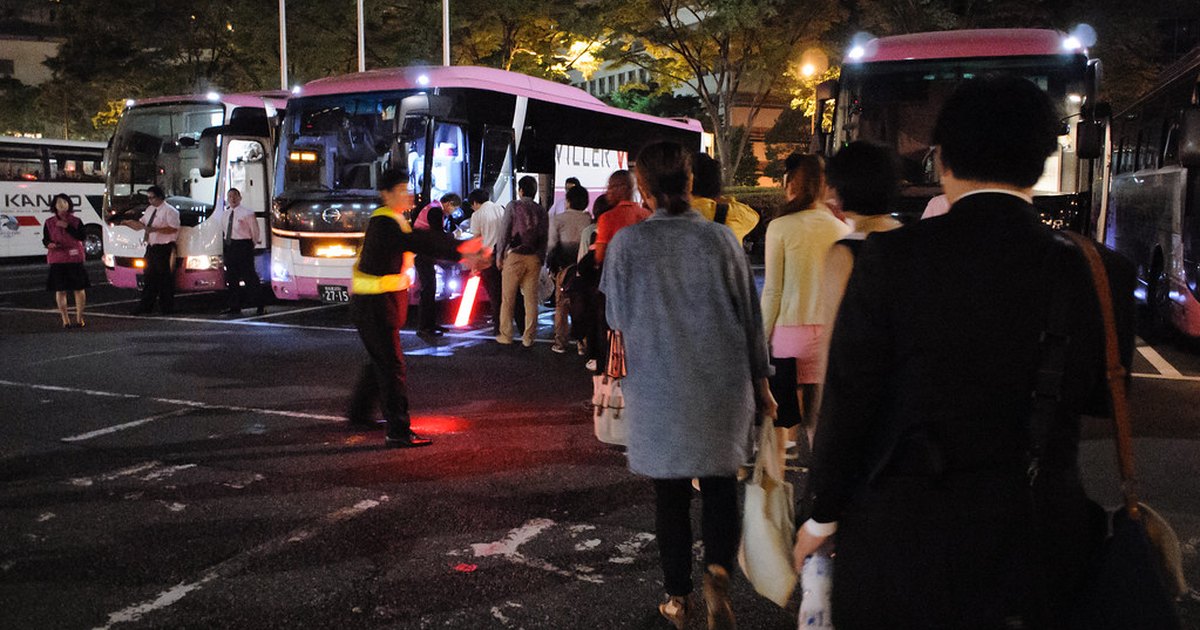
Because a decade of blog posts points them there. Willer once ran its own branded terminal on Shinjuku's west side; the current official terminal list instead names the Shinjuku Expressway Bus Terminal — Busta Shinjuku — at Sendagaya 5-24-55, two minutes' walk from JR Shinjuku's New South Gate, on the station's opposite side. (Osaka's Willer Bus Terminal Umeda, by contrast, is alive and well.) Tokyo's other official points: Ikebukuro Sunshine, Osaki Station West Gate, Tokyo Station's Kajibashi parking lot, Bus Terminal Tokyo Yaesu, and two Machida stops. Busta is a multi-operator hive — the official page's advice is to confirm your stop number on the departure board yourself. Arrive 15 minutes early: the boarding guide's exact words are that the bus "will not wait."
Seats, luggage and the fine print that decides your night
Which of the seven seats is the sleep pick?
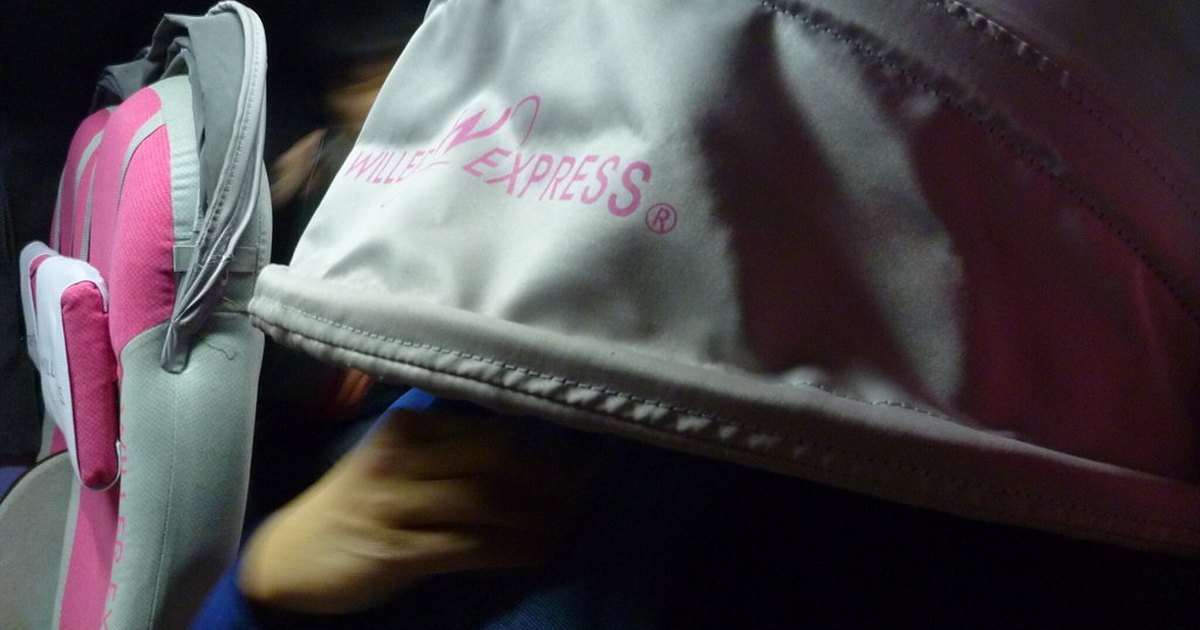
The current fleet, per the official seat pages: Dome (shell seats under privacy canopies), Prime (the flagship 4-across recliner), Reborn (the sleep-science 3-across pod — "travel as rest" in Willer's own phrase), Luxia (curtained), Comodo, Relax (the hooded seat), and plain Economy on the subcontracted tour coaches. Overnight, the 3-across cabins (Reborn, Dome, Luxia) are worth their premium; the hood on Relax is the budget sleeper's friend. Luggage runs on trust and limits: two trunk pieces on Willer's own buses (155cm/240cm size caps), one on partner buses, none on double-deckers, no bicycles ever, and the terms decline liability for checked bags — cameras ride in the cabin with you. Payment is cards (Visa/MC/JCB/Amex), WeChat Pay or Alipay+ (unchangeable once booked), or konbini cash; reservations die unpaid after 10 minutes. For the organized-tour end of the bus spectrum, our Hato Bus guide covers the other Japanese bus institution.
Bus vs shinkansen: the honest 2026 math
When does the bus actually win?
Do the arithmetic once and the answer picks itself. An off-peak overnight Willer at ¥3,000–¥5,000 (plus the ¥330 fee) replaces both a ¥13,000-class shinkansen fare and a night of accommodation — call it ¥18,000–¥20,000 of value for a fifth of the money, paid for in comfort and eight hours. The train wins whenever daytime hours matter more than money, when you're carrying more than two bags, or when a rail pass you already hold makes the marginal ride free. The bus wins for one-way budget hops, for travelers who sleep well anywhere, and for peak weekends when train seats sell out but a Thursday-night Reborn cabin sits at ¥6,000. Split the difference trick: bus one way overnight, train back in daylight with the window seat — the itinerary most budget-savvy repeat visitors settle on.
FAQ
Is the Willer Japan Bus Pass still available?
Where do Willer buses leave from in Tokyo?
How much is Tokyo to Osaka or Kyoto by Willer?
What are the seat types — and which should I pick?
How does boarding work — do I need a paper ticket?
What payment methods does the English site take?
How much luggage can I bring?
Can I cancel or change a booking?
Is an overnight Willer bus actually a decent way to travel?
Where can I check current timetables and journey times?
Bottom line (2026) — Willer changed almost everything English guides still print: the Japan Bus Pass stopped selling in September 2025, booking moved to willer-travel.com, and Tokyo departures now run from Busta Shinjuku, not the old West Exit terminal. A ¥330 booking fee plus a 10-minute rule and refund conditions are set out on the official payment guide.
Sources
Bus Pass discontinuation and historical conditions: the pass's official page. Terminal list and Shinjuku address: the official English location pages. Seat lineup and descriptions: the official seat guide. Fare ranges: the official booking search's own monthly price data. Payment methods, 10-minute rule and refund conditions: the official payment guide. The ¥330 arrangement fee and cancellation rules: the official cancellation guide. Luggage limits: the official luggage guide. QR boarding and the 15-minute rule: the official boarding guides. All read on August 18, 2026. Journey durations are not published statically and are not quoted. The embedded video is by its creator.
Tokyo to Osaka, Tokyo to Kyushu, Tokyo to Hokkaido — day by day — plus seven places most visitors never reach.
- 12 pages, 80 photographs, every stop linked to its guide
- Every price and opening hour read from the official page
- Re-issued monthly, so it does not go stale in your inbox
Free. One email a month, plus the rare change that matters. Unsubscribe with one click in any email. By subscribing you agree to our privacy policy.