Honto Japan Editorial– Author –

-

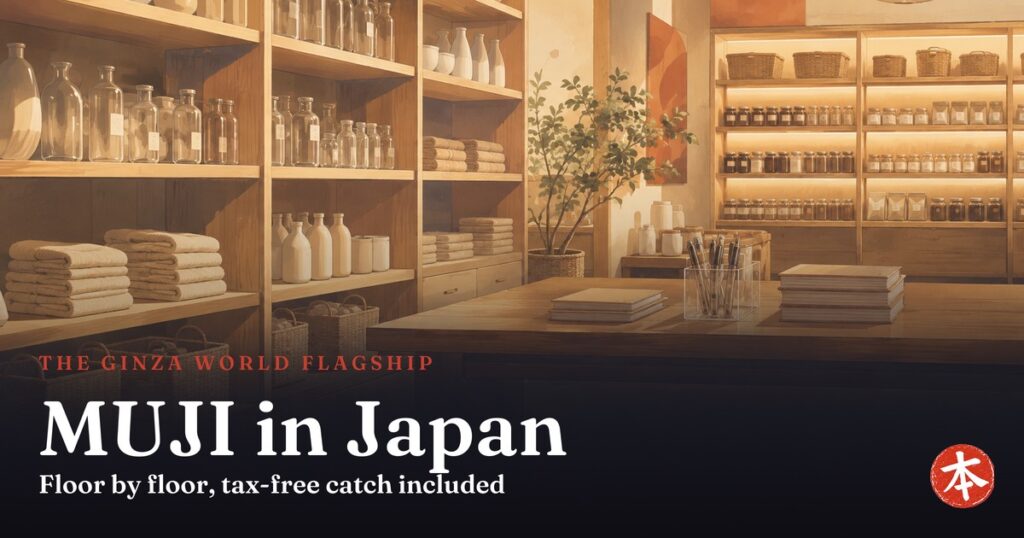
MUJI in Japan (2026): The Ginza World Flagship, Floor by Floor — Plus the Tax-Free Catch
Six floors, a diner, a hotel and about 7,000 products: MUJI's Ginza world flagship is the brand at full strength, nothing like the edit you get abroad. The official fine print: tax-free runs ¥5,000–500,000 pre-tax same-store same-day, using it cancels member points, and the 'MUJI passport' app your guidebook mentions was retired in September 2025. -
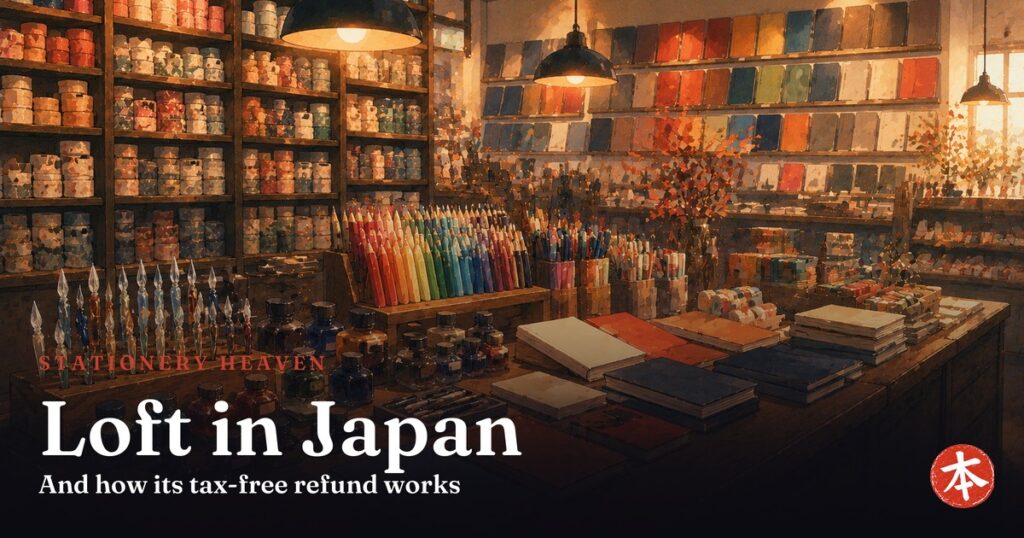
Loft in Japan (2026): The Yellow Stationery Heaven, and How Its Tax-Free Actually Works
Japan's 'household goods specialty store' is where stationery addictions are born — 185 stores, with the Shibuya flagship as ground zero. What no guide tells you: Loft's tax-free is a refund-counter system with a 1.55% fee paid back in cash, only some stores offer it, and the counter closes before the store does. -
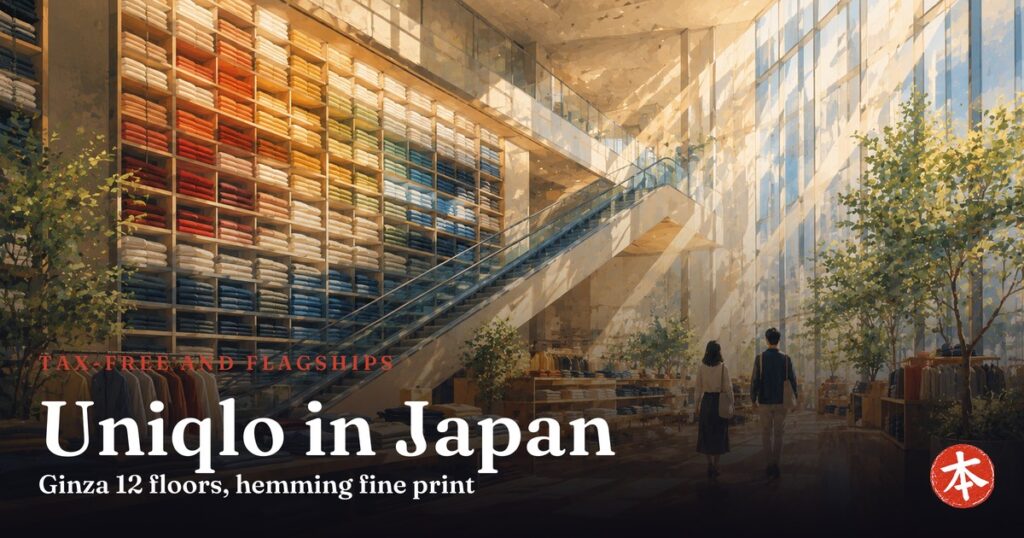
Uniqlo in Japan (2026): Tax-Free From ¥5,500, Free Hemming Rules
Buying Uniqlo in Japan is cheaper and deeper than at home — if you know the official rules: tax-free from ¥5,500 (but not at every store, and never without an entry stamp), free hemming with conditions that change on September 1, returns only at the store you bought from, and an Amex rule that surprises Americans at the register. -
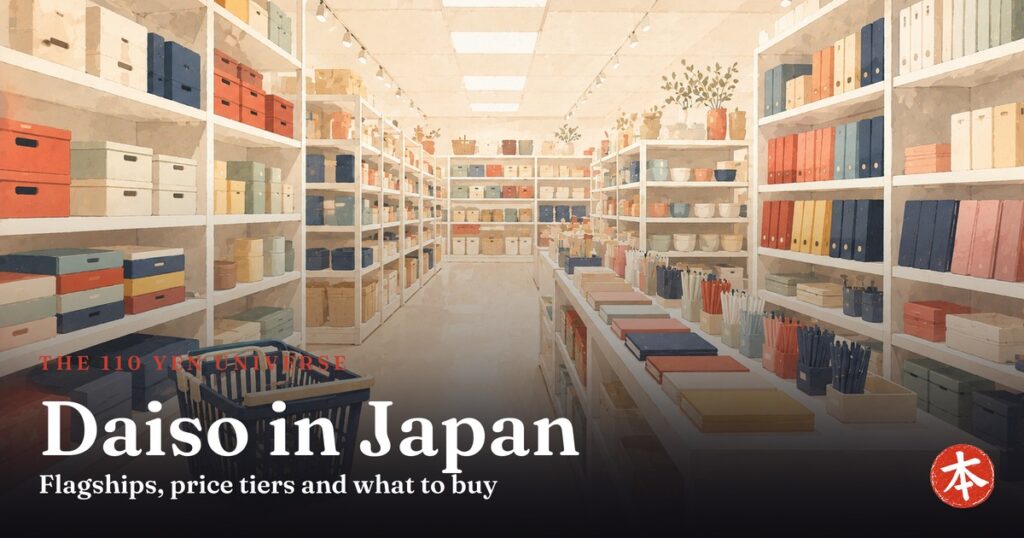
Daiso in Japan (2026): The ¥110 Myth, the Ginza Flagship, and What’s Actually Worth Buying
The Daiso you know abroad is the export version — Japan's original runs 4,000+ domestic stores, a 12-floor-town's worth of ¥110 goods, and two Tokyo flagships stacked with its ¥330 sister brands. The honest fine print: not everything is ¥110, food rings up at ¥108, hours differ by store, and the official site never once mentions tax-free. -
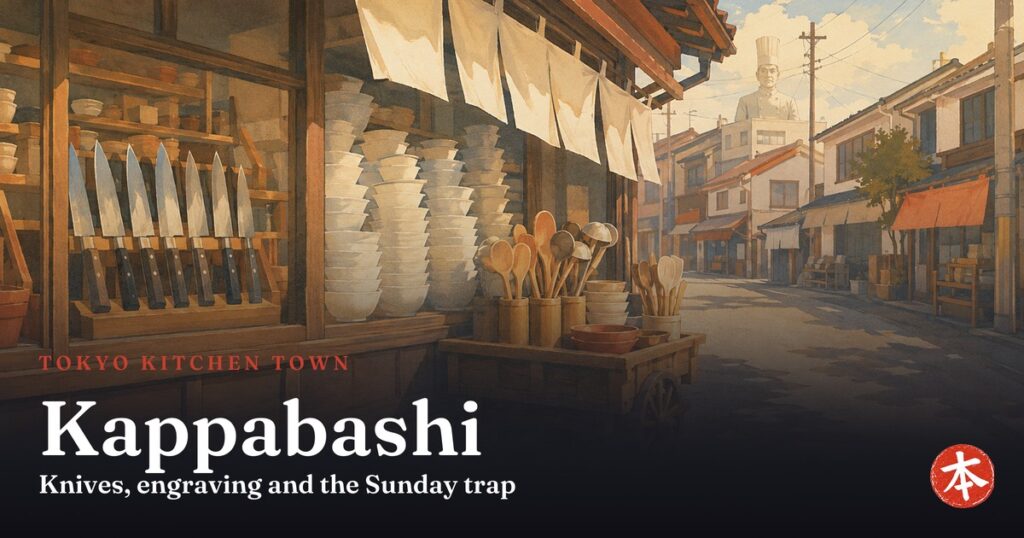
Kappabashi, Tokyo’s Kitchen Town (2026): Knives, Food Samples, and the Sunday Trap
Some 170 restaurant-supply shops on one 800-meter street between Ueno and Asakusa — chef's knives with free hand-carved engraving, fake-food workshops, and every kitchen tool Japan cooks with. Also: most shops close around 5 p.m., about 70% rest on Sundays (the famous ones mostly don't), and your new knife flies checked-baggage only. -
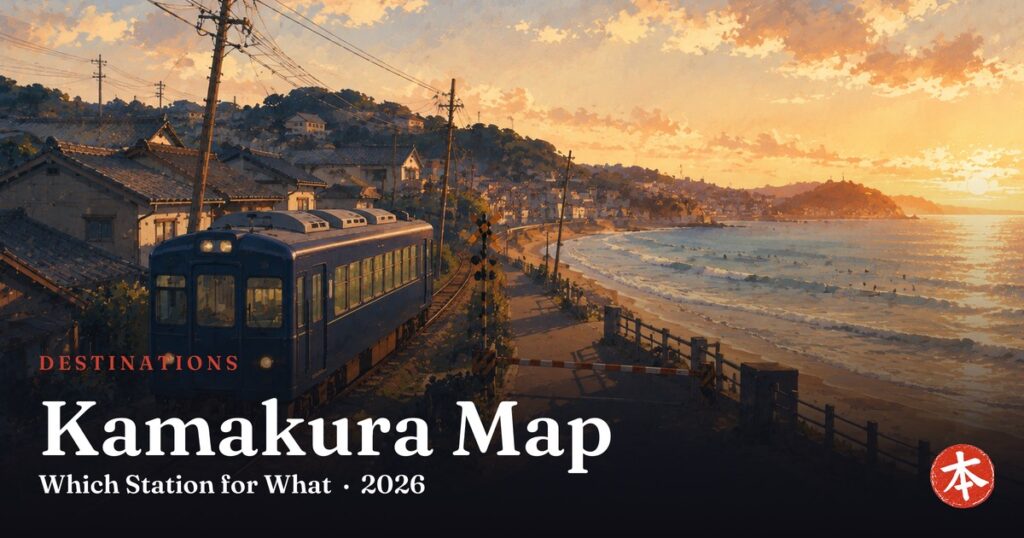
Kamakura Map (2026): Which Station for What, What It Costs — and No, Eating While Walking Is Not Banned
Kamakura's sights sit on two different railways, and one of them doesn't stop at the temples everyone photographs. Here's which station serves what, why the day pass usually loses money, and what the city's manner ordinance actually says — quoting the city's own denial. -
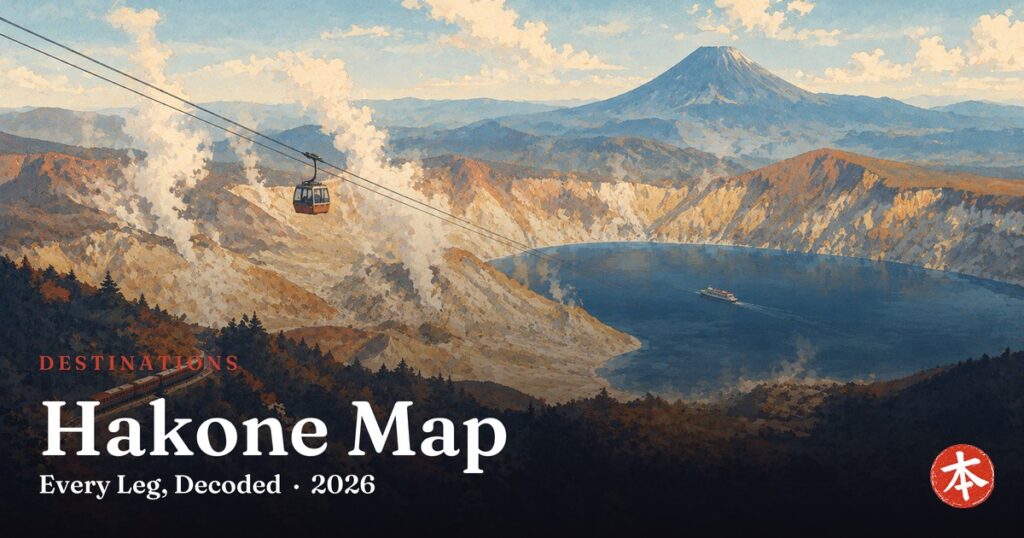
Hakone Map (2026): How the Loop Actually Fits Together — and Why the Official Advice Is to Go Backwards
Hakone is one numbered chain of stations from Odawara to Lake Ashi, ridden by five different vehicles. Here's where everything sits, what each leg costs, the 17:55 cable car that ends your day — and the ropeway closures coming in December 2026 and January 2027. -
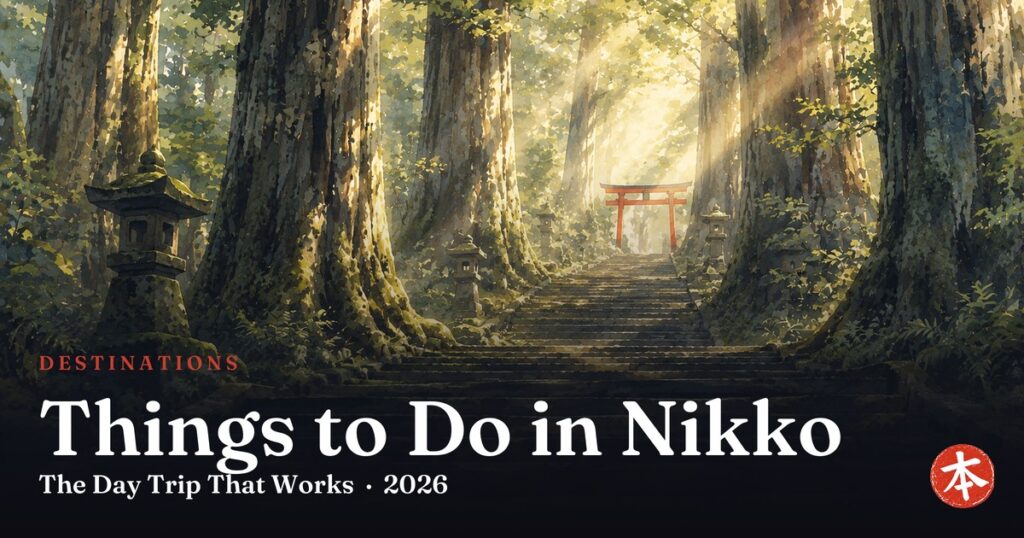
Things to Do in Nikko (2026): A Day Trip That Works — and the Ropeway That’s Shut Until 2027
Nikko is a real day trip from Tokyo — about 1 hour 50 minutes each way. But the famous Akechidaira Ropeway is closed until at least August 2027, the combined shrine ticket is suspended, and the temple's set ticket stops selling at 14:30. Here's the plan that works. -
Donguri Republic (2026): All 40 Ghibli Stores, the 5 in Tokyo, and the Tax-Free Deadline
There are 40 Donguri Republic stores in Japan — not 43 — and only five of them are in Tokyo. None in Shibuya, Shinjuku, Harajuku or Kichijoji. Here's every branch that matters, the three-item limit nobody mentions, and why the tax-free rules change on November 1, 2026. -
Things to Do in Yokohama (2026): What’s Actually Open — the Observatory Closed, the Gundam Gone
Yokohama's headline observatory has been closed since January 2026 and won't reopen before 2028, and the giant Gundam left in 2024. Here's what is genuinely open, with official prices — plus the ¥2,000 smoking fine that catches visitors in exactly the areas they walk. -
Vegetarian in Tokyo (2026): The Fish Stock in Almost Everything, and What the Government Tells Restaurants
Japan's tourism agency tells restaurants that bonito stock must be excluded for vegetarians even when fish isn't an ingredient — which is why so much apparently vegetable food here isn't. Here's the dashi problem, the places that state their ingredients in writing, and the chains you can rely on. -
Niseko Ski Guide (2026/27): ¥13,500 a Day, Night Skiing at All Four Resorts, and the ¥100,000 Rescue Rule
Niseko's 2026/27 prices are already published — ¥13,500 for a peak-season day across four resorts. Here's what's confirmed for this season, what still says last season on the resorts' own sites, and the backcountry rules that will cost you your lift pass.