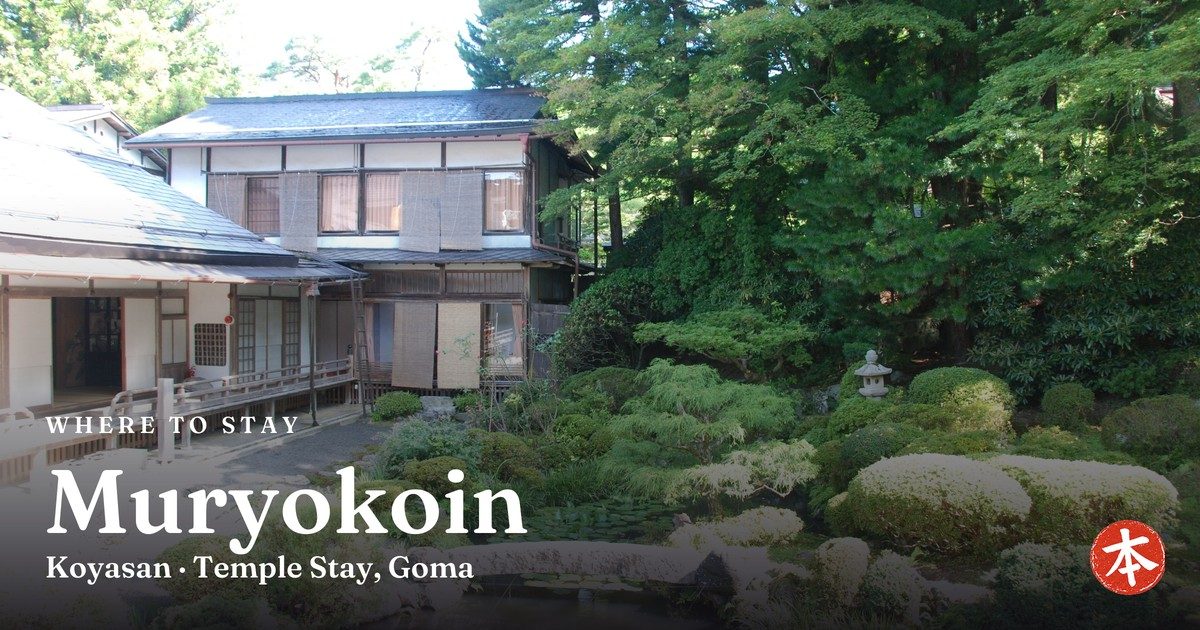
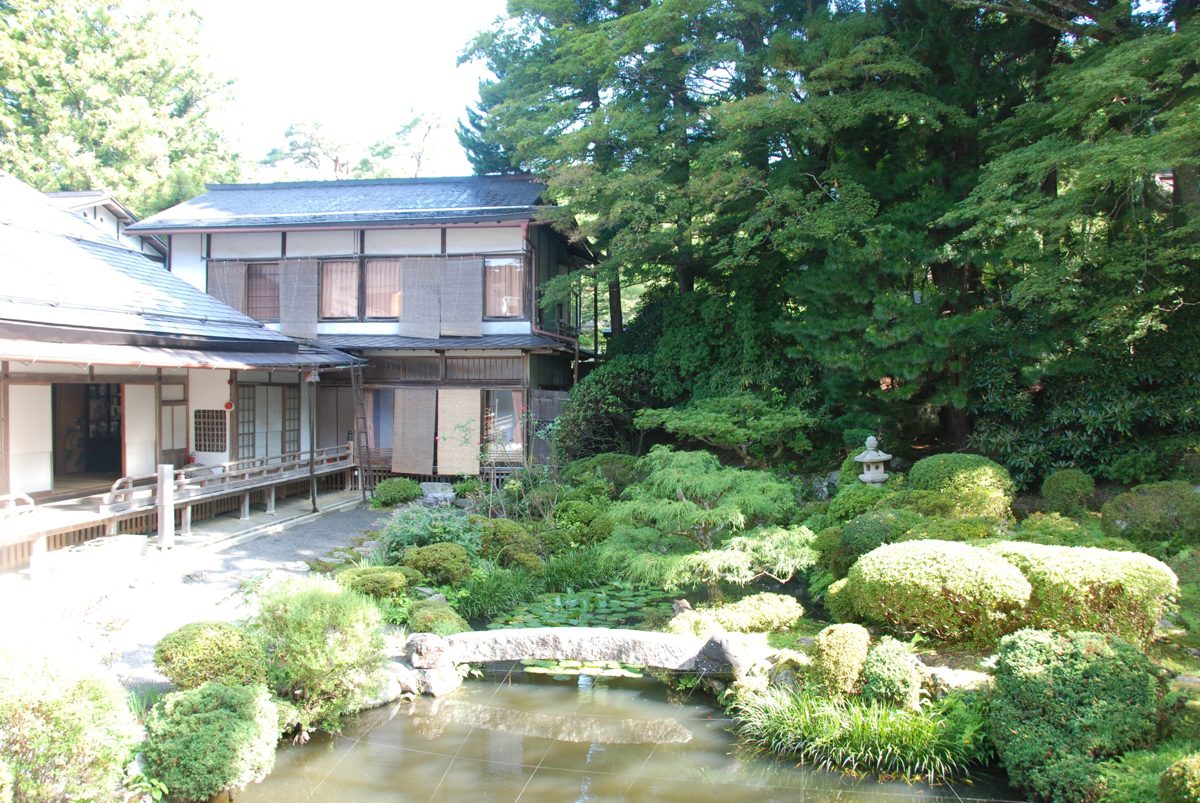
Muryokoin is a temple lodging, or shukubo, on Mount Koya (Koyasan) in Wakayama, and also houses a second temple, Shicchiin. Its own site traces it to the Heian period. Before you book, three things matter: the official English and Japanese pages differ on how to reserve, so confirm with the temple first; the kitchen cannot take special meal requests, allergies included; and the gate closes at 21:00.
Muryokoin at a glance
| What you want to know | What the official pages say |
|---|---|
| Type | Shingon Buddhist temple lodging (shukubo), with Shicchiin in the same grounds |
| Address | 611 Koyasan, Koya-cho, Ito-gun, Wakayama 648-0211 |
| Morning service | Every day from 6:00, with the goma fire ritual |
| Check-in / out | Around 15:00 / 10:00 (English site) |
| Gate | Opens 6:00, closes 21:00 (Japanese site) |
| Meals | Shojin ryori; dinner around 18:00, breakfast at 8:00 |
| Bath | Separate for men and women, from 17:00 in the evening |
| In the room | Tatami and futons, free Wi-Fi, air conditioning, a safe; no TV |
| Phone | +81 736 56 2104 (9:00–21:00) |
From the official Japanese and English sites, read October 20, 2026.
How do you book a stay at Muryokoin?
This is the first thing to sort out. The English reservation page says the temple is not accepting reservations itself and asks guests to go through the Koyasan shukubo association. The Japanese site says stays are accepted, by phone, fax or a dedicated form. Because the official pages differ, contact the temple to confirm how to book before you plan your trip around it.
What should I write when I contact the temple?
Use the English contact form. The same page asks guests not to send questions about prices or availability, so ask how to make a reservation rather than whether a date is free. It also notes that Microsoft email services (Hotmail, Live, Outlook) often reject the temple’s replies, and suggests using another provider. The phone line is open from 9:00 to 21:00.
Morning goma and temple life at Muryokoin
Who founded the temple?
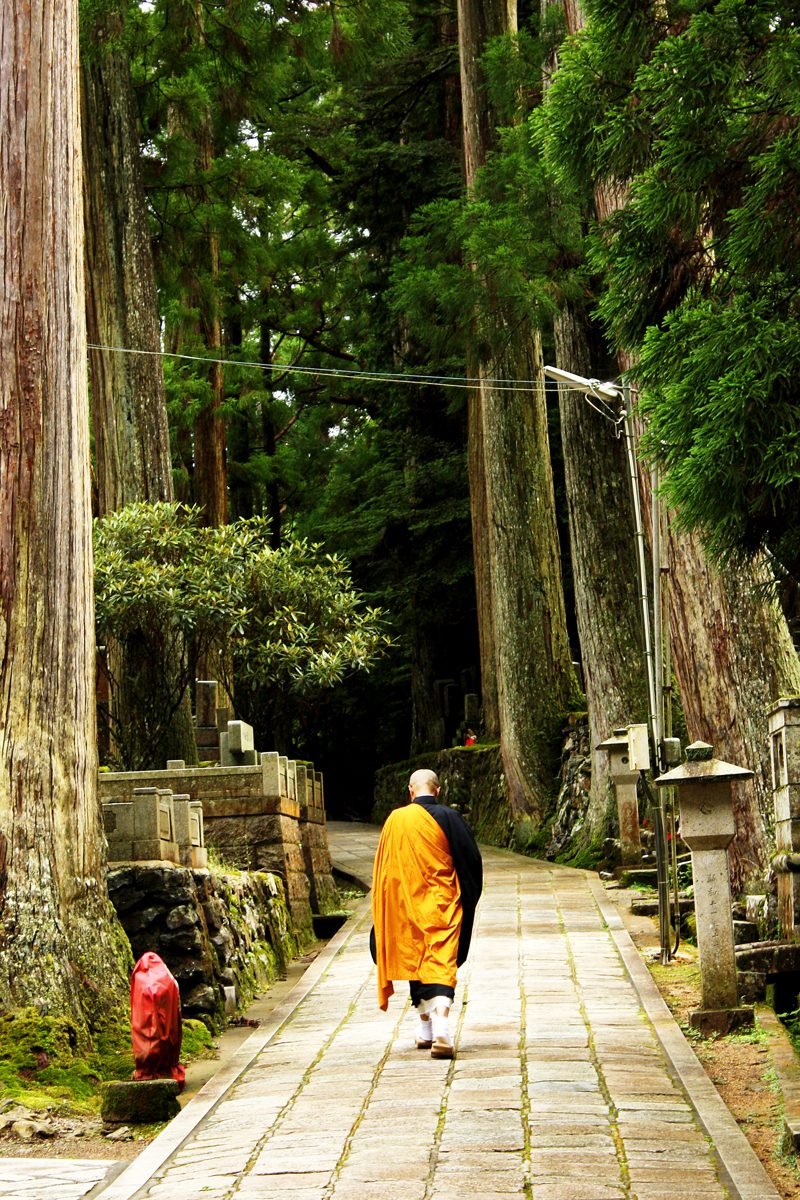
The Japanese site says it was founded by Prince Kakuho (1092–1153), the fourth son of Emperor Shirakawa. The main image is Muryoko Nyorai (Amida); Shicchiin’s is Aizen Myoo. The English site adds that the two temples were combined and moved to the present site in the Meiji period, after a large fire in 1888. Uesugi Kenshin, the warlord, is recorded as receiving initiation here.
Can guests join the morning service?
Yes. The morning service is held every day of the year from 6:00, together with the goma fire ritual. The English site invites guests to the morning ceremony, including shomyo chanting. The temple has also trained many priests from abroad: the Japanese site says more than 60 people have completed the shido kegyo training here in little more than a decade, about a fifth of them foreign nationals.
Shojin ryori at Muryokoin
What is served at dinner and breakfast?
Meals are shojin ryori, the Buddhist vegetarian cooking of Koyasan’s temples. Dinner is served around 18:00 and breakfast at 8:00, after the morning ceremony. Breakfast has miso soup, rice and tea; dinner adds tofu, and the dishes change every day. You can stay with dinner and breakfast, breakfast only or room only; a dinner booking always includes breakfast.
Can the temple handle allergies or a special diet?
No. The English meal page says the temple is not able to accept any special meal requests. Soy sauce and miso are the main seasonings, and nuts, soba (buckwheat) and eggs are sometimes served. If you have an allergy, plan your own food; the page indicates you may bring it.
Rooms and the bath at Muryokoin
What are the rooms like?
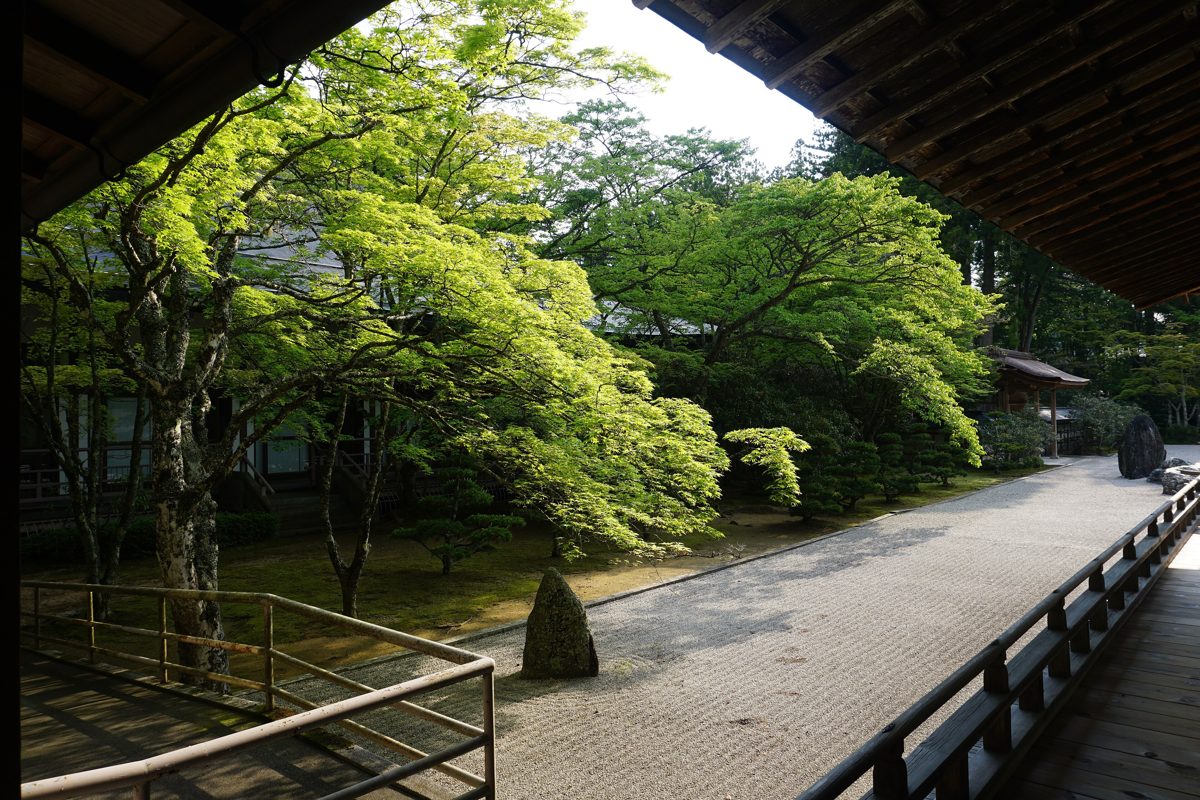
Rooms are tatami, with futons and fresh sheets laid out for sleeping. The English site says the rooms were renovated recently and each has a safe; the Japanese site lists free Wi-Fi and air conditioning throughout, and no TV, by the head priest’s choice. In the cold season the English site says gas stoves are provided.
Do rooms have a private bathroom?
Most do not; toilets and washing areas are shared. The exceptions: the Auditorium building on the street side, with double windows, has two rooms with a shower and bath of their own and three without; the newer East Building on the garden side has standard rooms with shared facilities; and four Special Rooms in the old building look onto the garden and have a private shower and toilet.
When is the bath open, and can I bathe with a tattoo?
The Japanese-style bath (ofuro) is separate for men and women and opens only in the evening, from 17:00. The official pages do not call it a hot spring, and they do not mention tattoos or a private bath. If you have a tattoo, ask the temple before you book; our tattoo and onsen guide explains what to ask.
Children, cancellation and payment at Muryokoin
What do children cost?
The English site says children “until the age of 7” stay free, but parents provide their food and bedding, and no special children’s meals are made. A child who needs a futon and meals counts as an adult.
What is the cancellation policy?
Both sites say cancellation fees apply, but the English and Japanese schedules differ, so we do not list the rates here. Confirm the rule that applies to you when you book. Our hotel cancellation guide covers how fees work in Japan.
How do I pay?
The official pages do not list payment methods. Ask the temple when you confirm your stay.
Getting to Muryokoin in Koyasan
By train, take the Nankai line from Namba Station in Osaka to Gokurakubashi, about 1 hour 25 minutes by limited express or 1 hour 40 minutes by express, then the cable car up to Koyasan Station. From there, ride the Nankai bus to Keisatsusho-mae (Police Station); the temple is about a minute’s walk. The English directions say to turn right at the traffic light and find it on the left after about 100 m. By car, it is about 2 hours from Osaka and 4.5 hours from Nagoya; the English page says cars can be parked in the temple yard, but to ask first. A pickup service is not mentioned. For the rest of the mountain, see our Koyasan guide.
What foreign guests should know before staying at Muryokoin
- Confirm how to book first. The English and Japanese pages differ on whether the temple takes reservations directly.
- When you write, do not ask about prices or availability; the contact page asks guests not to.
- Avoid a Hotmail, Live or Outlook address if you can; the temple says replies to them often fail.
- Be back before the gate closes at 21:00, and plan for the bath to open only from 17:00.
- Bring your own food if you have an allergy; no special meal requests are accepted.
- There is no TV in the rooms, and most rooms share bathrooms.
Frequently asked questions
How do I book a stay at Muryokoin?
What time is check-in at Muryokoin?
Can Muryokoin handle allergies or a vegetarian diet?
Do children stay free at Muryokoin?
Can I see the morning ritual at Muryokoin?
Bottom line (2026): Muryokoin is a Koyasan temple lodging with a goma fire ritual every morning at 6:00, shojin ryori meals and a history its own site traces to the Heian period. Its official pages differ on how to reserve, so contact the temple through its English form before you plan, and expect no special meal requests and a 21:00 gate.
Sources
Every fact on this page is from Muryokoin’s official pages: home (Japanese), stay information (Japanese), stay request form (Japanese), access (Japanese), history (Japanese), temple life (Japanese), and the English site’s home, rooms, meals, directions, reservation page and contact page. All were read on October 20, 2026. Prices and rules change; check with the temple before you book.
Tokyo to Osaka, Tokyo to Kyushu, Tokyo to Hokkaido — day by day — plus seven places most visitors never reach.
- 12 pages, 80 photographs, every stop linked to its guide
- Every price and opening hour read from the official page
- Re-issued monthly, so it does not go stale in your inbox
Free. One email a month, plus the rare change that matters. Unsubscribe with one click in any email. By subscribing you agree to our privacy policy.