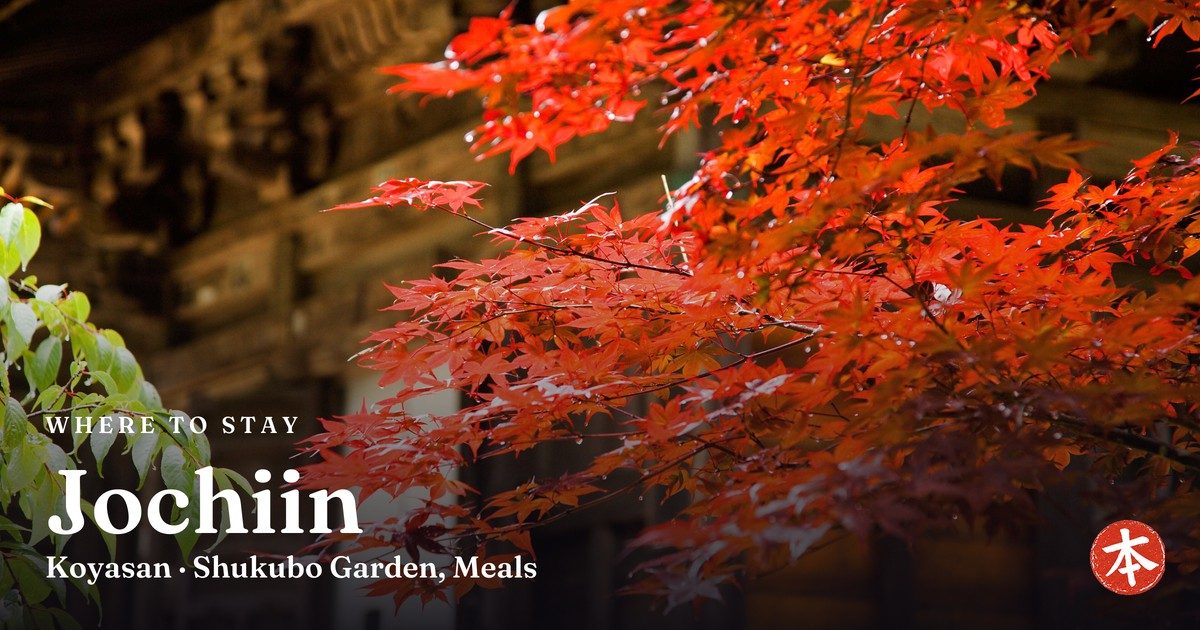
Jochiin, written in full as Kayado Jochiin, is a temple lodging, or shukubo, on Mount Koya (Koyasan) in Wakayama. Its own history says Kobo Daishi lived in these grounds for 33 months when he first came to the mountain, and the temple invites guests to its 1,000-tsubo garden. Before you book, three things matter: it is closed from December 25 to the end of February; dinner has to be prepared, so call if you will arrive after 17:00; and its website and booking page are in Japanese only.
Jochiin at a glance
| Question | Official answer | Where it says so |
|---|---|---|
| Open | All year except Dec 25 – end of February | Lodging page |
| Address | 476 Koyasan, Koya-cho, Ito-gun, Wakayama 648-0211 | Home page |
| Check-in / out | From 15:00 / by 10:00; call if arriving after 17:00 | Terms, booking page |
| Rooms (online) | Japanese rooms on the 2nd floor, toilet and washbasin, no bath | Booking page |
| In the room | TV, safe, heating and cooling, free Wi-Fi | Booking page |
| Bath | Large granite bath, men’s and women’s sides | Booking page photos |
| Dinner | Shojin-style Japanese meal in a separate private room | Booking page |
| Lunch | Currently paused | Lunch page |
| Phone | +81-736-56-2318 | Home page |
From the official site and booking page, read October 20, 2026.
Why stay at Jochiin? The temple and its garden
What is the history of the temple?
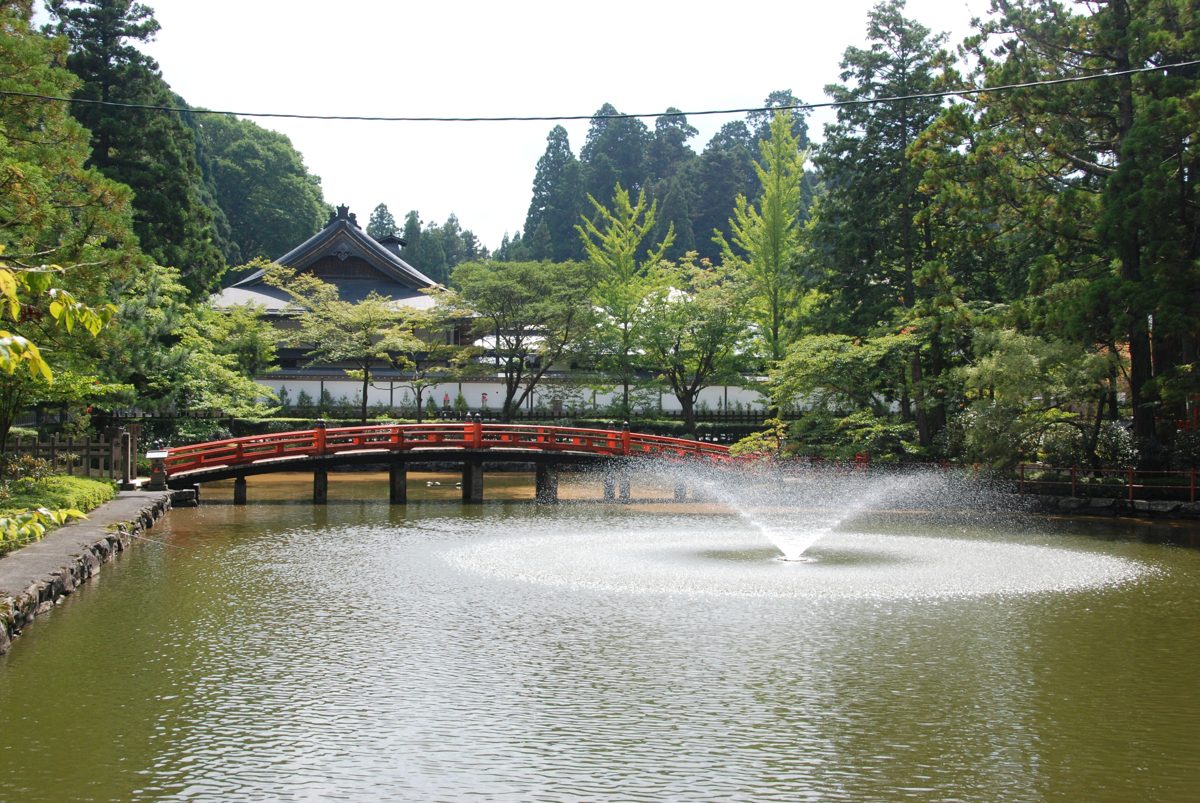
The temple’s own account says that in the Tencho era Kobo Daishi built a hall here and enshrined a thousand-armed Kannon he had carved himself, naming it Kannon-in. It later became a temple of prayer for Emperor Go-Fukakusa, who sent an imperial envoy after a fire in the Ninji era. A second page tells why it is called the “wet straw sandals” temple (nure-waraji-bo): when Kobo Daishi first climbed Koyasan, he lived in these grounds for 33 months. The grounds also hold a sal tree said to have come from China with the Daishi, and Kakuban Pond, built by Kogyo Daishi.
What is there to see on the grounds?
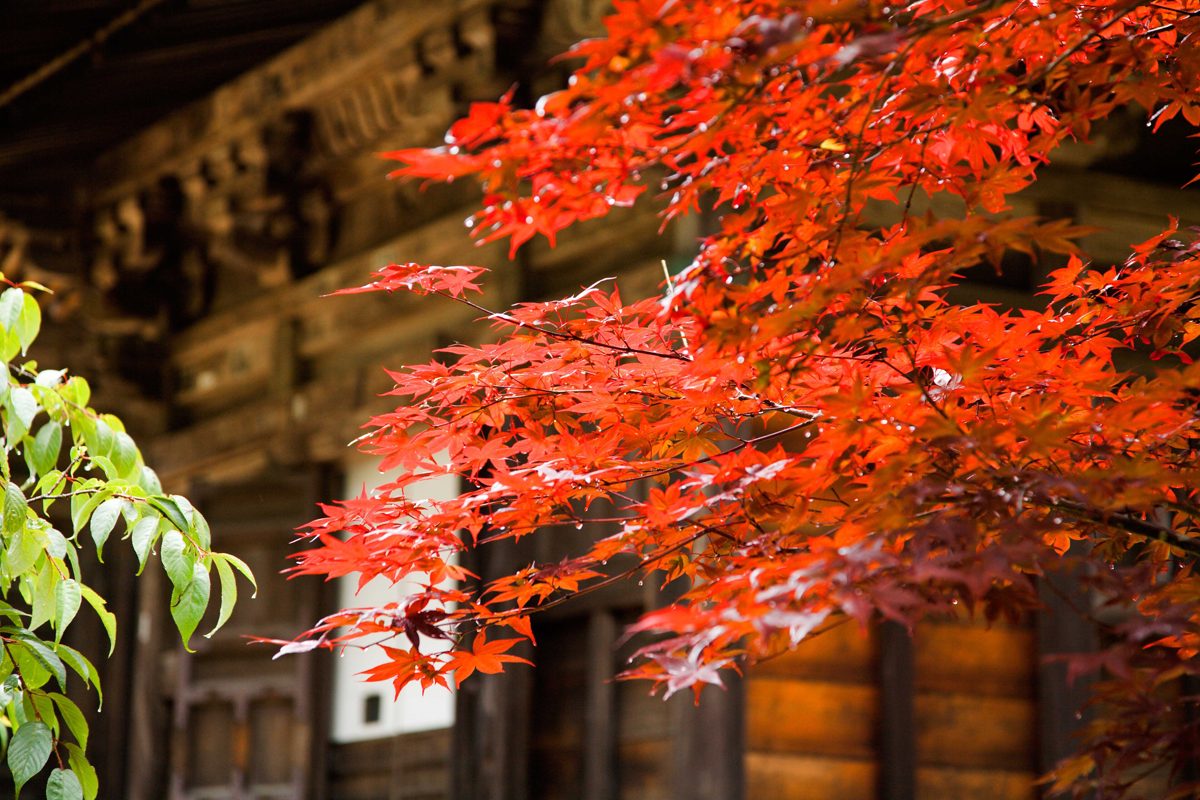
The home page calls it a shukubo with a 1,000-tsubo garden and speaks of the quiet and clear air away from the world. The booking page’s photo gallery dates the seasons: cherry blossoms from mid to late April, rhododendrons in May and autumn leaves from late October to early November. There is also a 130-mat great hall. The temple offers memorial services and prayers for visitors of any sect.
Rooms and the bath at Jochiin
What are the rooms like?
The rooms you can book online are private Japanese-style rooms on the 2nd floor, each with a Western-style toilet with a bidet seat and a washbasin, a TV, a safe, heating and cooling, and free Wi-Fi. They have no bath or shower. A yukata, a tanzen jacket in winter, a towel, a bath towel and a toothbrush are provided. The booking page notes that only some of the temple’s rooms can be booked online; groups that need many rooms are asked to call.
What is the bath like, and can I bathe with a tattoo?
Guests share a large granite bath, with a men’s side and a women’s side, stocked with body soap and a rinse-in shampoo. A hair dryer is in the changing room, and another can be borrowed free from the temple office. Children must use the bath with a parent or guardian. The official pages do not give bath hours, a private bath or a tattoo rule; if you have a tattoo, ask before you book. Our tattoo and onsen guide explains what to ask.
Meals at Jochiin
What is served at dinner?
Dinner is a Japanese meal centered on shojin ryori, the Buddhist vegetarian cooking of the mountain’s temples, served in a separate private room. The Sara and Shakunage plans have a three-tray dinner (sannozen) and the Sakura plan a two-tray dinner (ninozen); dishes change with the season. The Sara plan also gives you a room on the garden side. The plan pages do not describe breakfast, so ask the inn what is served.
Can the temple handle allergies, and is lunch available?
The official pages do not mention allergies or vegan meals; contact the temple before you book. The rules ask guests not to bring in food or drink without permission. The lunch menu, with Koyasan’s sesame tofu, is currently paused.
What are the prayer beads and the morning service?
Each plan includes a gift of wrist prayer beads (juzu), handed out at dinner. The booking page invites you to wear them the next morning at the service in the main hall. The rules ask guests not to visit the main hall in a yukata.
Booking, prices and rules at Jochiin
How do I book, and how much does it cost?
Book on the Japanese official booking page, or by phone. Online booking closes 3 days before at 23:00, and no deposit is required. Prices depend on the plan and the date, and the figures on the plan list and the date calendar are not the same, so check the calendar for your dates before you book. The official pages do not say whether any bathing or lodging tax is added.
What is the cancellation policy?
Fees apply, but the lodging page and the booking page split the days before arrival differently, so we do not list the rates. Confirm the rule on your booking. Groups of 11 or more have a separate rule. If you do not arrive and have not called, the terms say the booking may be treated as canceled. Our hotel cancellation guide covers how fees work in Japan.
What about children and payment?
Children’s rates and payment methods are described differently across the official pages, so ask the temple when you book. The booking page notes that children’s meals have fewer dishes than the adult meal, and the rules say minors without a guardian’s permission may be turned away.
Getting to Jochiin in Koyasan
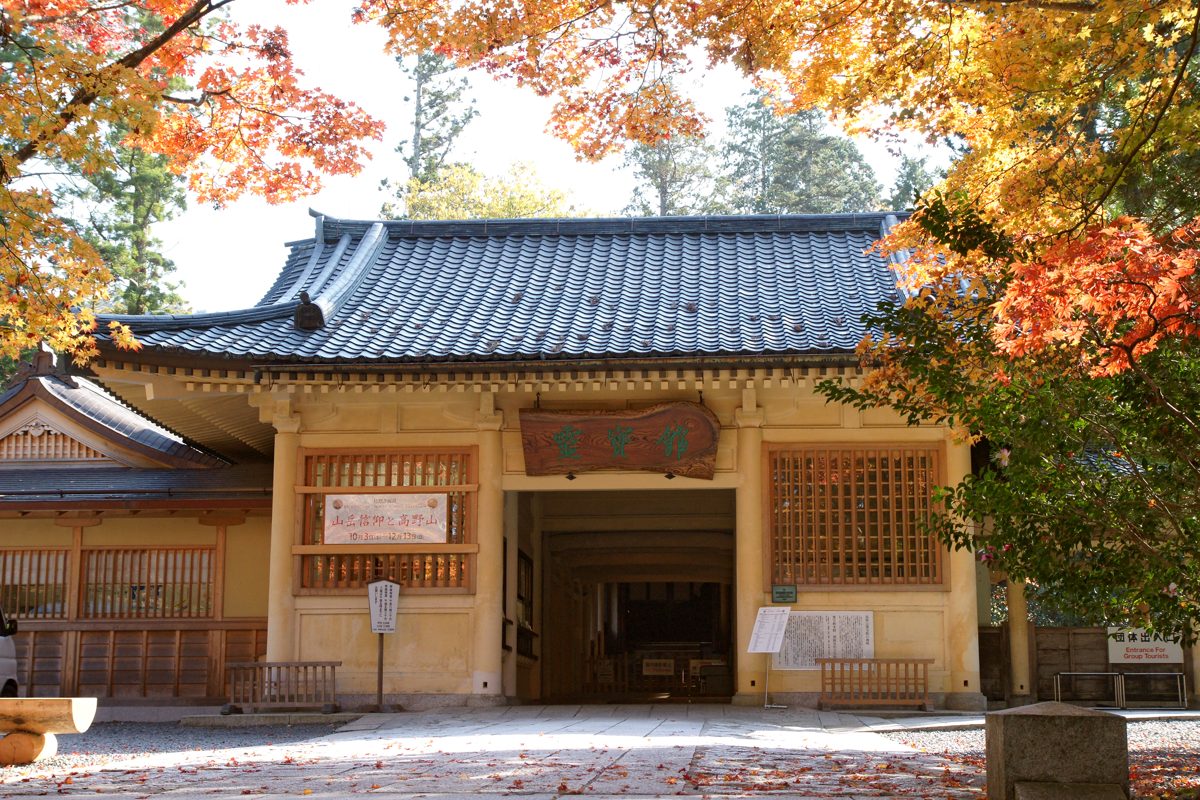
The official access page gives the route from Kansai Airport: the Nankai main line to Namba takes about 30 minutes, then the Nankai Koya line from Namba to Koyasan Station takes about 1 hour 30 minutes by limited express (four a day) or 1 hour 50 minutes by express (every 30 minutes). By car, it is about 2 hours 30 minutes from Osaka, or about 2 hours from Kansai Airport, by the Koya road from Kudoyama (Routes 370 and 480). The official pages do not explain the last step from Koyasan Station or mention a pickup, and they list parking for three buses but not for cars; tell the temple if you will park for two nights or more. For the rest of the mountain, see our Koyasan guide.
What foreign guests should know before staying at Jochiin
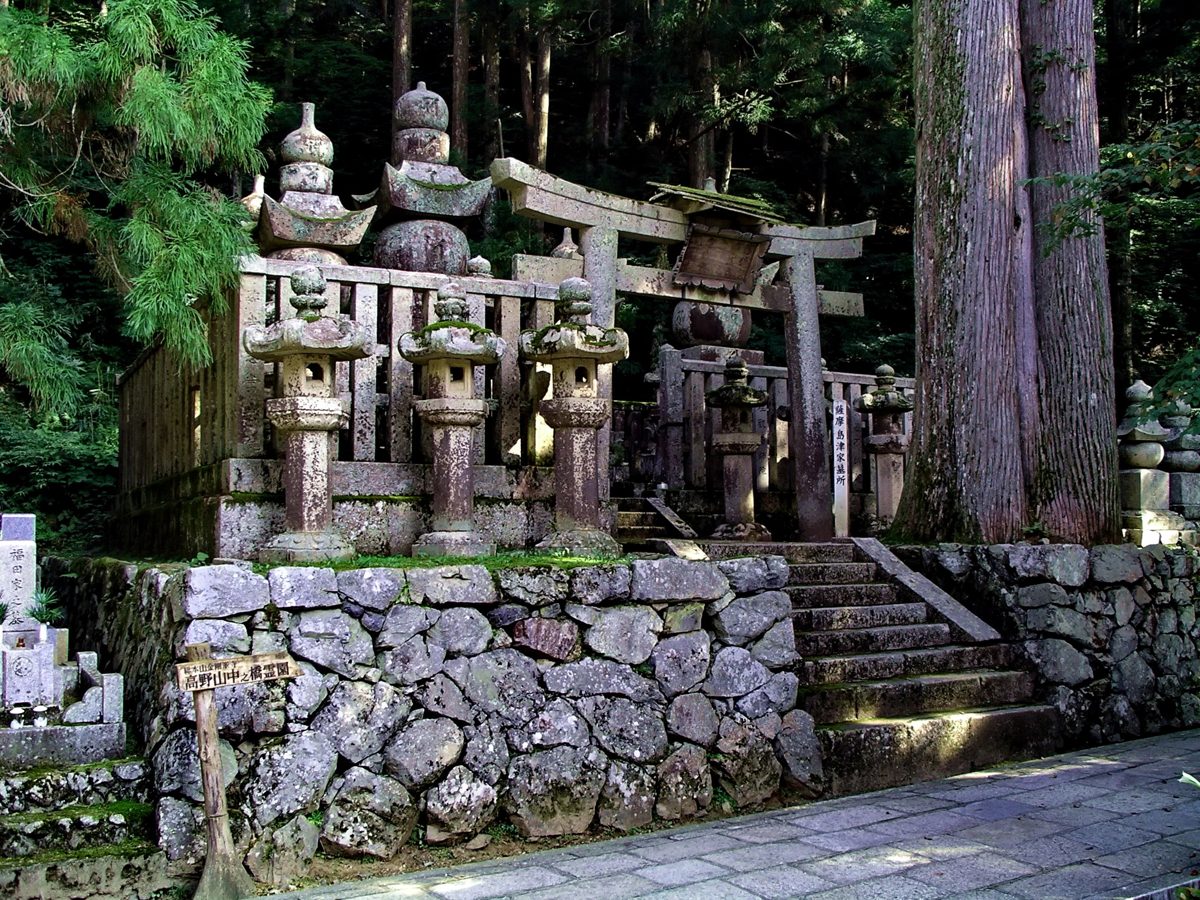
- Check the season. The temple is closed from December 25 to the end of February.
- The site and booking page are in Japanese only. The contact form needs your address and phone number, and the temple says replies may be slow; call or fax if you hear nothing.
- Be ready to give your nationality and passport number at check-in, as the terms require for foreign guests.
- Arrive by 17:00 or call ahead, so dinner can be ready.
- Rooms have no bath; pack for a shared bath, and change out of your yukata before the morning service.
- Only registered guests may stay overnight.
Frequently asked questions
When is Jochiin closed?
Does Jochiin have an English website?
What time is check-in at Jochiin?
Do rooms at Jochiin have a private bath?
What is included in a stay at Jochiin?
Bottom line (2026): Jochiin is a Koyasan temple lodging where, by its own history, Kobo Daishi first stayed on the mountain, with a 1,000-tsubo garden, a private-room shojin dinner and prayer beads for the morning service. Avoid December 25 to February, arrive by 17:00, and confirm prices, cancellation and payment with the temple when you book.
Sources
Every fact on this page is from Jochiin’s official pages: home (Japanese), lodging, temple history, Kobo Daishi and Kogyo Daishi, lunch, terms and rules, access, contact form, and the official booking page linked from the site. All were read on October 20, 2026. Prices and rules change; check with the temple before you book.
Tokyo to Osaka, Tokyo to Kyushu, Tokyo to Hokkaido — day by day — plus seven places most visitors never reach.
- 12 pages, 80 photographs, every stop linked to its guide
- Every price and opening hour read from the official page
- Re-issued monthly, so it does not go stale in your inbox
Free. One email a month, plus the rare change that matters. Unsubscribe with one click in any email. By subscribing you agree to our privacy policy.