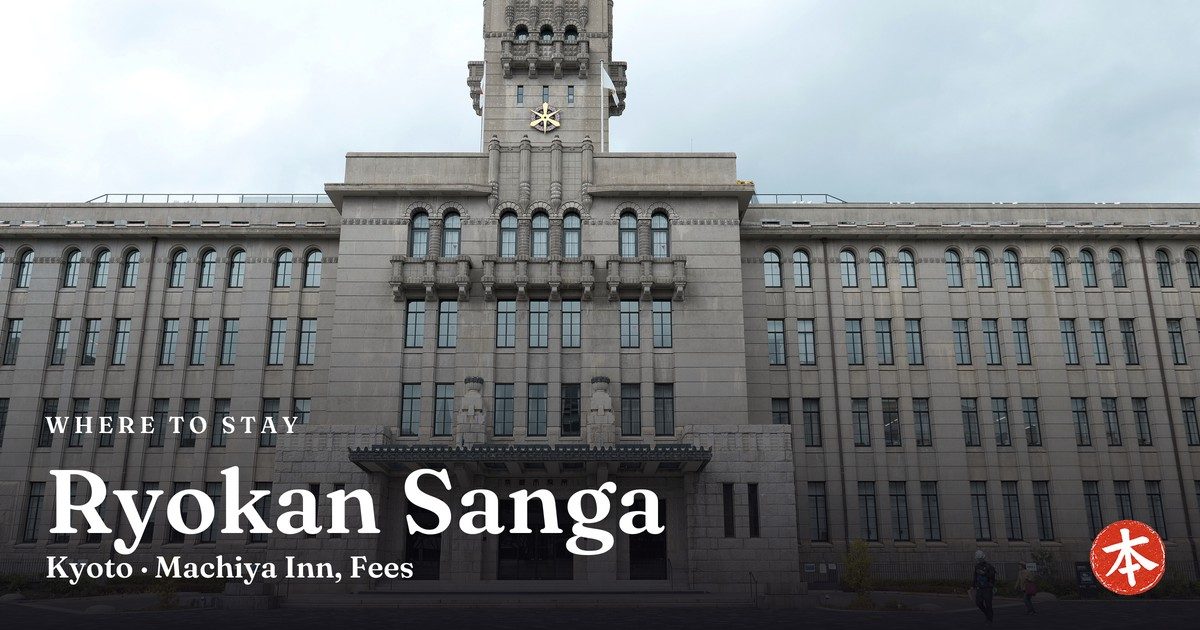
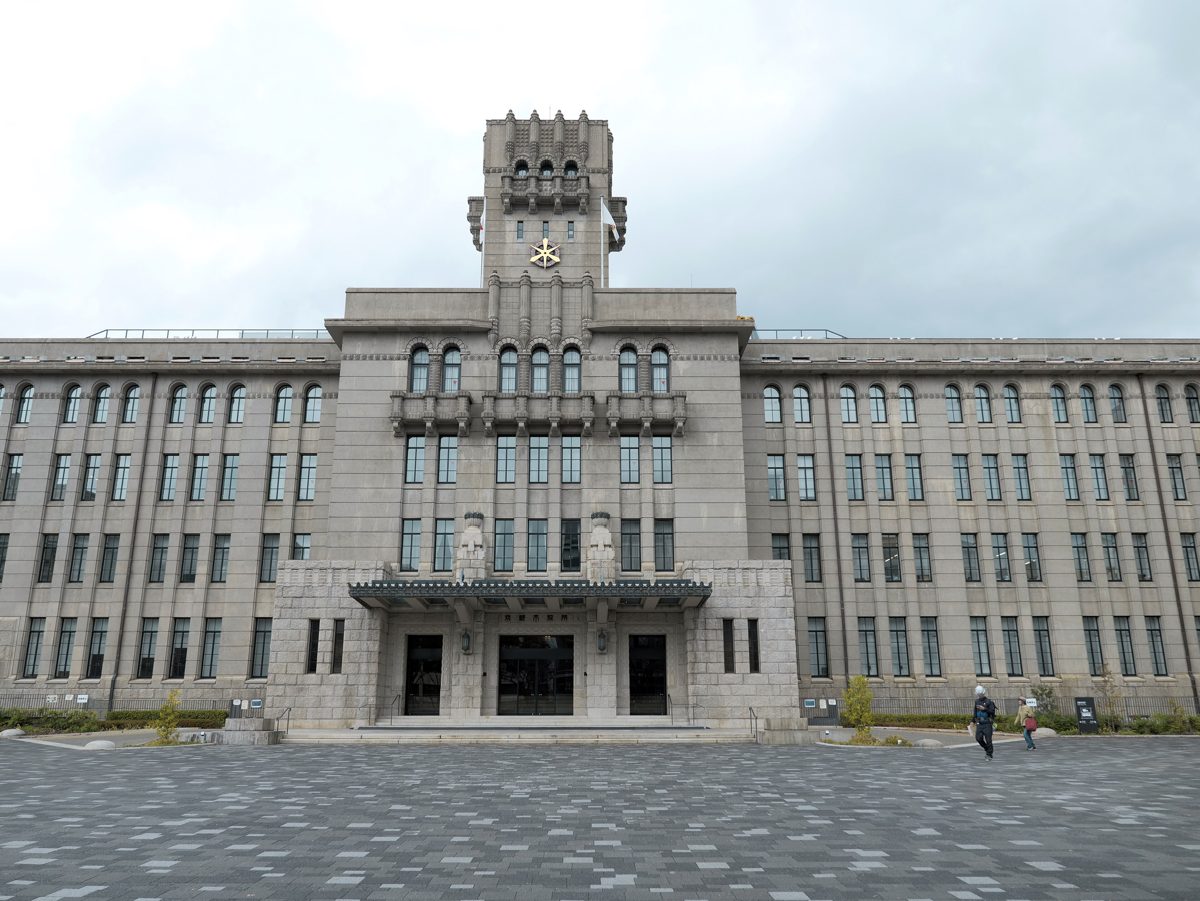
Ryokan Sanga is a machiya inn in Nakagyo, central Kyoto, set in the house of a wealthy Meiji-era Kyoto merchant. The inn calls it a place to experience the real Kyoto in the middle of the old city. Before you book, three things matter: check-in runs 16:00 to 21:00 (by 18:00 with dinner); the doors lock at 24:00; and the rules on cancellation and children are in the Japanese terms only, so we set them out below.
Ryokan Sanga at a glance
| Item | Official information |
|---|---|
| Address | 526 Asakura-cho, Tominokoji-dori, Sanjo sagaru, Nakagyo-ku, Kyoto |
| Phone | +81-75-241-3251 (9:00–21:00) |
| Buildings | Main building: wooden machiya, 2 floors, 9 rooms. New building: 4 floors, 5 rooms |
| Check-in / out | 16:00–21:00 (by 18:00 with dinner) / 7:00–10:00 |
| Curfew | Doors lock 24:00, open 6:00 |
| Bath | Two shared baths of maki wood on the 1st floor, until 23:00 |
| Meals | Kyoto kaiseki dinner, Kyoto-style breakfast, 4th-floor dining room, table seating |
| Parking | None (nearby paid lots) |
From the official Japanese site and accommodation terms, read October 20, 2026.
The inn describes its main building as a real wooden machiya and its new building as plain Japanese rooms that are easier to use; washbasins, toilets, baths and air conditioning have been modernized. The garden, which the inn names Hyakunen-sui, has a history of more than 100 years and is the heart of the main building. There is a front desk staff member through the night, an AED and a security service.
Which room should I pick at Ryokan Sanga?
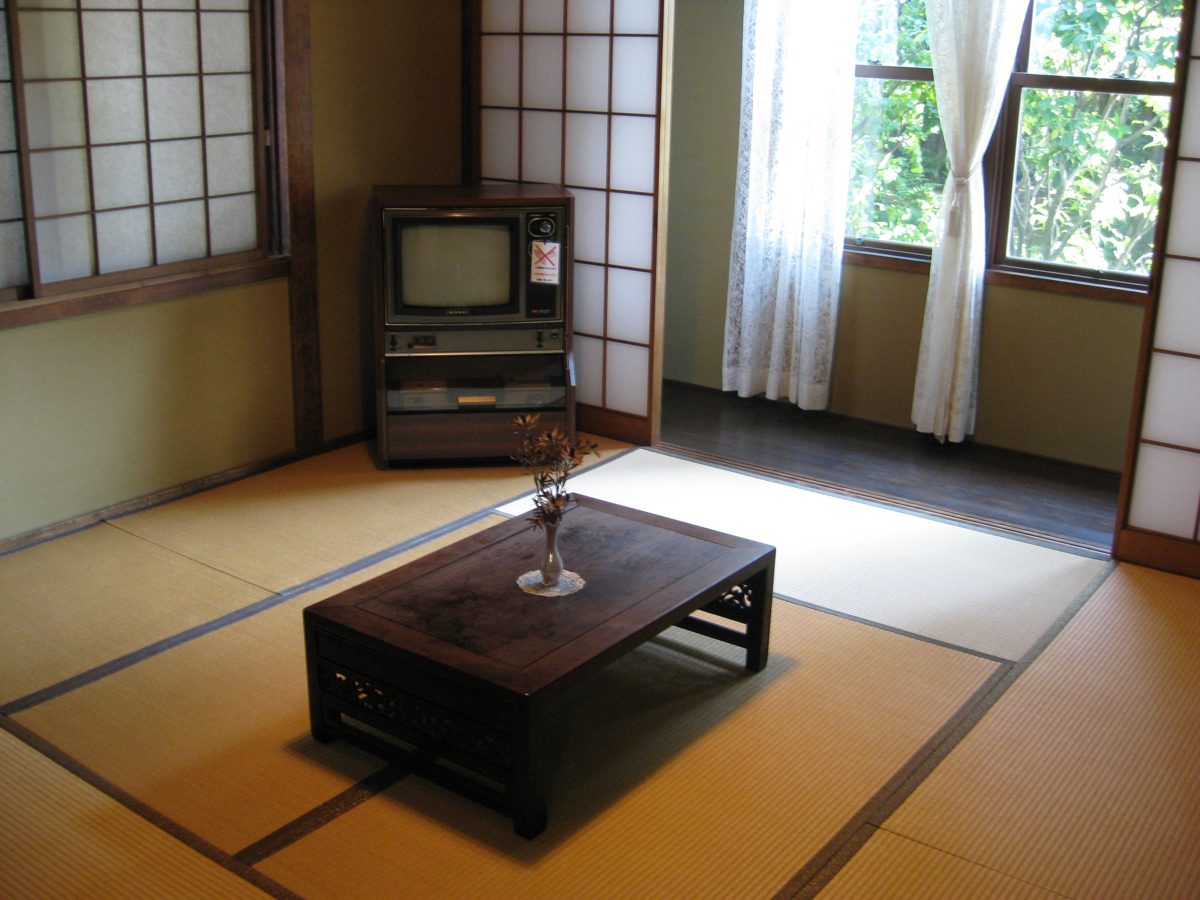
The rooms differ mainly in whether you get your own bath. Every room has Wi-Fi; the amenity list, which varies by room, includes a TV, air conditioning, a fridge, a hair dryer, towels, a toothbrush set and yukata.
| Room | Size and guests | Own bath? |
|---|---|---|
| Take (main, garden side) | 6 mats, 2 | Toilet only; use the shared bath |
| Bara special room (main) | 8 + 4 mats, 2 | Hinoki bath and toilet |
| Fuyo and Kiku (main) | 12 mats, 2–5 | Bath and toilet |
| Suisen (main) | 22 mats in two rooms, 4–8 | Toilet only |
| Matsu (main) | 8 mats, 2 | Toilet only |
| Ran and Yuri (main) | 6 mats, 1–2 | Shower booth and toilet |
| New building | 12 mats (2–5) or 8 mats (1–2) | Bath and toilet |
From the official room page. In the main building you cannot choose the 1st or 2nd floor.
Meals at Ryokan Sanga
What are dinner and breakfast like?
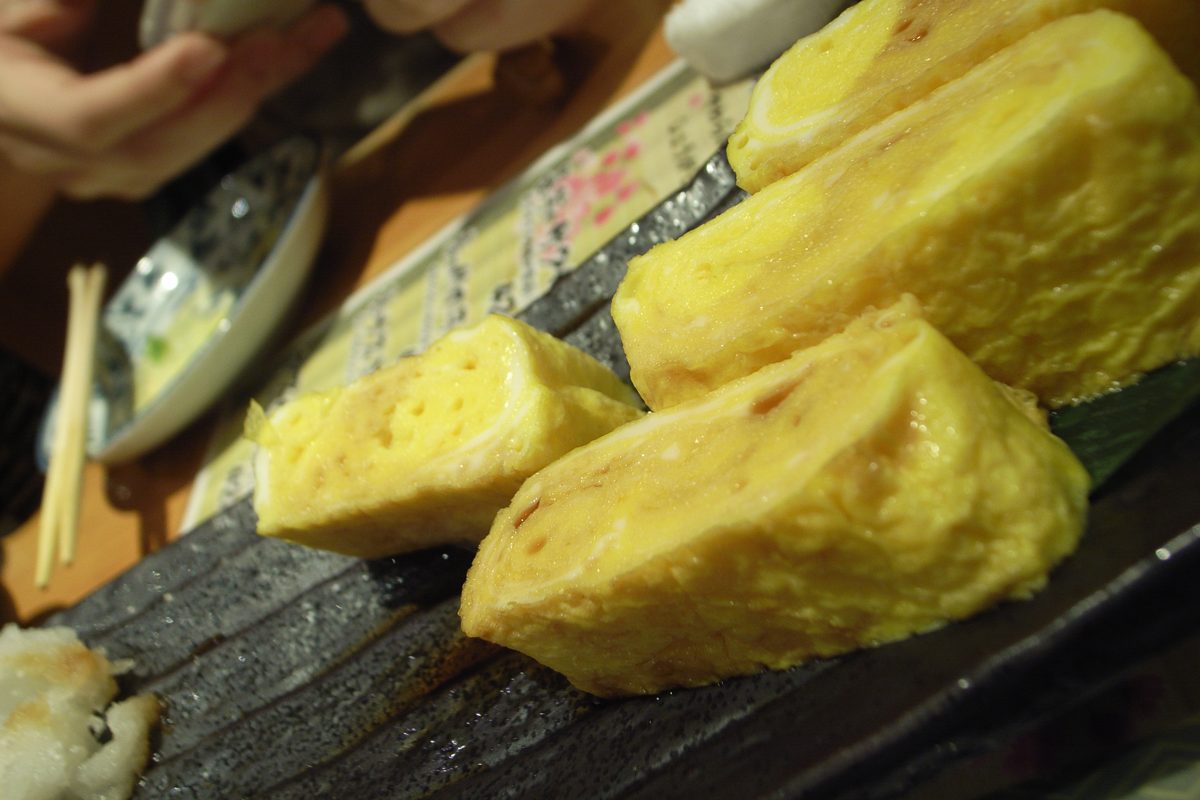
Dinner is a Kyoto kaiseki that changes with the season and the plan. If you stay more than one night, you can switch to sukiyaki or shabu-shabu. Breakfast is a Kyoto-style meal with rolled omelet, yudofu (simmered tofu) and nine small obanzai dishes, starting between 7:30 and 8:30; on a second morning the menu changes and a Western breakfast is offered. Both are served at tables in the 4th-floor dining room of the new building, with screens between groups. If yudofu is new to you, our yudofu guide explains it. The dinner start time differs between the Japanese and English pages, so ask when you book.
Can the inn handle allergies or a special diet?
The English site says vegetarian and vegan dishes are available with advance notice; the Japanese site does not mention it. Neither page covers allergies, so contact the inn before you arrive.
The bath at Ryokan Sanga
When is the bath open?
There are two shared baths on the 1st floor, made of maki wood, open in the evening until 23:00. Shampoo, conditioner, body soap and a hair dryer are there; bring your towels from the room. The opening time differs between the Japanese and English pages. Several rooms also have their own bath.
Is it an onsen, and is there a private bath?
The official pages do not describe the bath as hot-spring water, and they do not mention a private bath for booking.
Can I bathe with a tattoo?
The official pages do not mention tattoos. Ask the inn before you book, or pick a room with its own bath. Our tattoo and onsen guide explains what to ask.
Prices and rules at Ryokan Sanga
How much does a stay cost?
The Japanese site gives no prices and points to the travel booking sites. A per-person starting price appears on the English site only. The terms say the total is the basic rate (room plus dinner and breakfast) with a 10 percent service charge, consumption tax and Kyoto’s accommodation tax. From March 1, 2026, Kyoto City charges per person per night 200 yen under 6,000 yen, 400 yen from 6,000 yen, 1,000 yen from 20,000 yen, 4,000 yen from 50,000 yen and 10,000 yen from 100,000 yen.
What do children cost?
Child rates apply to elementary school age and under: 70 percent of the adult rate with adult-style meals and bedding, 50 percent with children’s meals and bedding, 30 percent for bedding only, and 2,000 yen for an infant with neither.
What is the cancellation policy?
For up to 14 guests, the terms list 30 percent 3 days before, 50 percent 2 days before, and 100 percent the day before, on the day or for a no-show, as a share of the basic rate. If you booked through a travel site, its own policy may apply. If you have not arrived by 20:00 without calling, the booking can be treated as canceled. See our hotel cancellation guide.
How do I pay?
You settle at the front desk when you leave. The Japanese and English pages list different payment methods, so check that your card or method is accepted before you travel.
Getting to Ryokan Sanga in central Kyoto
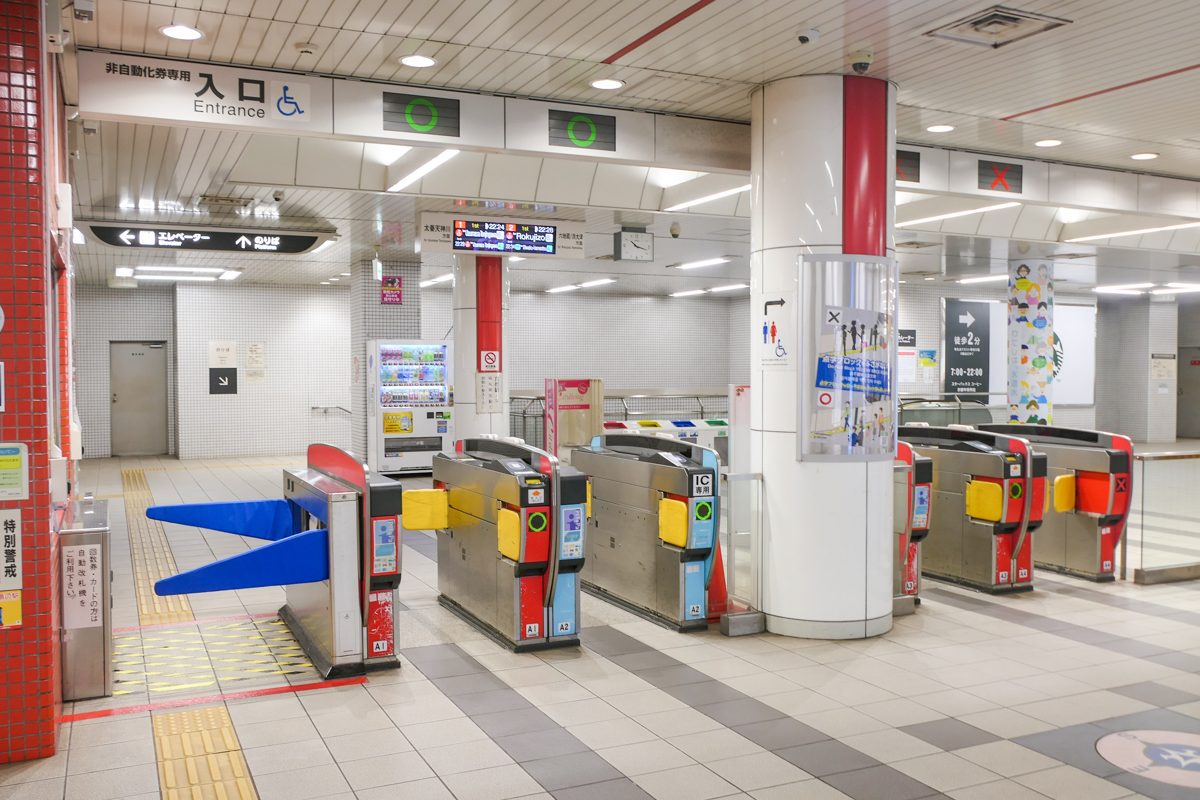
The inn is on Tominokoji-dori just south of Sanjo, in the middle of the city; our Kyoto guide covers the wider area. From Kyoto Station, take the subway Karasuma Line to Karasuma Oike, change to the Tozai Line and get off at Kyoto Shiyakusho-mae, then walk. City bus 205 to Kawaramachi Sanjo and a taxi also work. From Itami Airport, take the monorail and the Hankyu Kyoto Line to Kyoto-Kawaramachi; from Kansai Airport, the JR Haruka express runs to Kyoto Station. The official pages do not mention pickup. There is no parking, but up to four bicycles can be left on the grounds.
What foreign guests should know before staying at Ryokan Sanga
- The English site has four pages; the terms, curfew, child rates and cancellation rules are in Japanese only.
- The doors lock at 24:00, so plan your evenings out around it.
- On a dinner plan, arrive by 18:00.
- Your passport number and nationality are recorded at check-in, as the terms require.
- Bags can be left before and after your stay (call ahead before check-in), and parcels are sent from the front desk prepaid only.
Frequently asked questions
What time is check-in at Ryokan Sanga?
Does Ryokan Sanga have a curfew?
What is the cancellation policy at Ryokan Sanga?
How much do children pay at Ryokan Sanga?
Can I book Ryokan Sanga directly?
Bottom line (2026): Ryokan Sanga is a 14-room machiya inn in central Kyoto with a century-old garden, kaiseki dinners and wooden shared baths. Check in by 18:00 on dinner plans, be back by 24:00, and pick a room with its own bath if that matters to you.
Sources
Every fact on this page is from Ryokan Sanga’s official pages: home (Japanese), stay guide, rooms, meals, garden, access and the accommodation terms (PDF); the English room, cuisine, access and reservation pages; and Kyoto City’s accommodation tax page. All were read on October 20, 2026. Prices and rules change; check the official site before you book.
Tokyo to Osaka, Tokyo to Kyushu, Tokyo to Hokkaido — day by day — plus seven places most visitors never reach.
- 12 pages, 80 photographs, every stop linked to its guide
- Every price and opening hour read from the official page
- Re-issued monthly, so it does not go stale in your inbox
Free. One email a month, plus the rare change that matters. Unsubscribe with one click in any email. By subscribing you agree to our privacy policy.