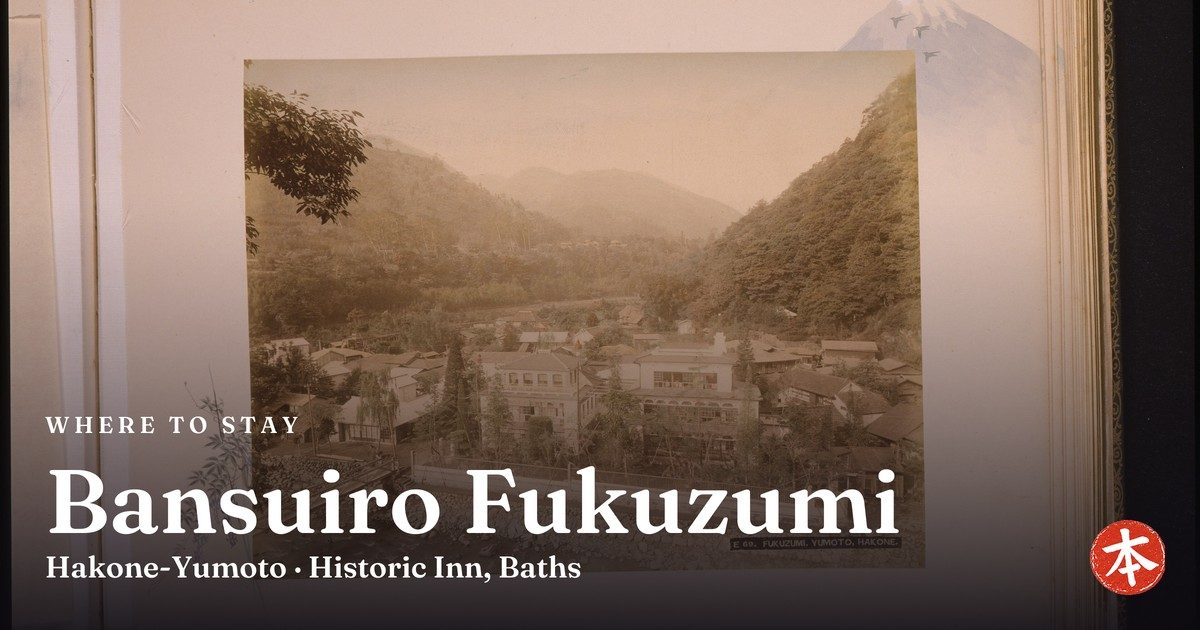
Bansuiro Fukuzumi is a hot spring inn in Hakone Yumoto, Kanagawa, founded in 1625. Guests still sleep in its wooden buildings from the late 1870s, which mix Japanese sukiya design with Western touches, and every large bath runs on the inn’s own spring. Before you book, three things matter: plans and rules are on the Japanese booking page; the two large baths swap between men and women each evening and morning; and some historic rooms sit up steep stairs, which the inn does not recommend for guests with limited mobility.
Why Bansuiro Fukuzumi is unusual: an inn in Meiji-era buildings
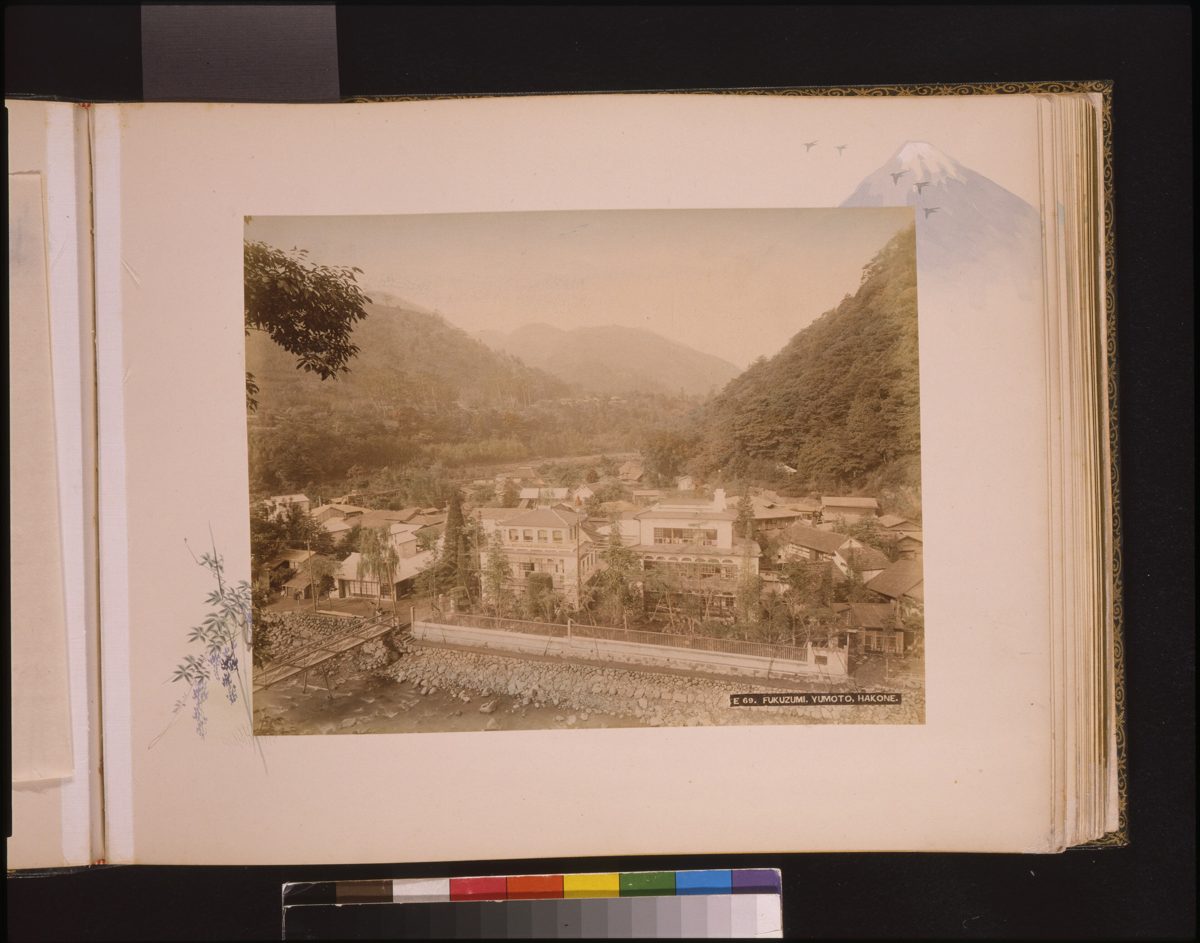
According to the inn’s history page, the old Bansuiro and Kinsenro buildings blend traditional sukiya architecture with Western techniques and design, a style known as giyofu. The inn’s site says they were designated an Important Cultural Property of Japan in 2002, the first for a working ryokan, and were chosen among the 100 notable buildings of Kanagawa. Details to look for include a ceiling of 48 painted panels, cloth patterned on the Fukuzumi name, and paper-screen lattices that differ from room to room.
The inn has hosted travelers since the Edo period; an old Hakone palanquin song names “Fukuzumi of Yumoto” as the place to stay. Since 1994 it has held a yearly event of Edo-style performing arts, including rakugo storytelling.
Which rooms can I choose?
All rooms are Japanese-style tatami rooms with a toilet with a bidet seat and a washbasin, according to the rooms page. The main difference is whether the room has its own bath:
| Building | Rooms (official names) | Guests | Own bath |
|---|---|---|---|
| Bansuiro (Meiji) | 25 (four rooms, 10+8+6+6 mats), 35 (10+8 mats, 3rd floor) | 2–4 / 2 | No |
| Kinsenro (Meiji) | 10 and 20, 12, 22 (with veranda), 30 (10+8 mats) | 2–4 / 2 (Room 30) | Yes, cypress tub |
| Showa wing | Kaede, Matsu, Sakura (10 mats, river view); Katsura, Hana | 2 / 2–4 | Yes, cypress tub |
Are the historic rooms easy to reach?
Not all of them. Room 25 is up a flight of stairs, and the inn says it is hard to use for guests who cannot manage stairs. For Room 35 on the 3rd floor and Room 30 in Kinsenro, reached by its own staircase, the inn does not recommend them for guests with limited mobility. If stairs are a concern, ask about the Showa wing.
Bansuiro Fukuzumi at a glance
| Item | Official information |
|---|---|
| Address | 643 Yumoto, Hakone-machi, Ashigarashimo-gun, Kanagawa 250-0311 |
| Phone | 0460-85-5531 (from abroad +81-460-85-5531) |
| Founded | 1625 |
| Check-in / out | 15:00–18:30 / 11:00 (half board); 16:00–23:30 / 10:00 (room only) |
| Baths | Two large baths with outdoor tubs, swapped between men and women; all free-flowing from the inn’s own spring |
| Meals | Japanese dinner and breakfast, in your room or a private dining room |
| Smoking | All rooms non-smoking; smoking room by the 1st-floor lobby |
| Wi-Fi | In the 1st-floor lobby |
| Extra charge | Bathing tax 150 yen per adult |
The baths at Bansuiro Fukuzumi
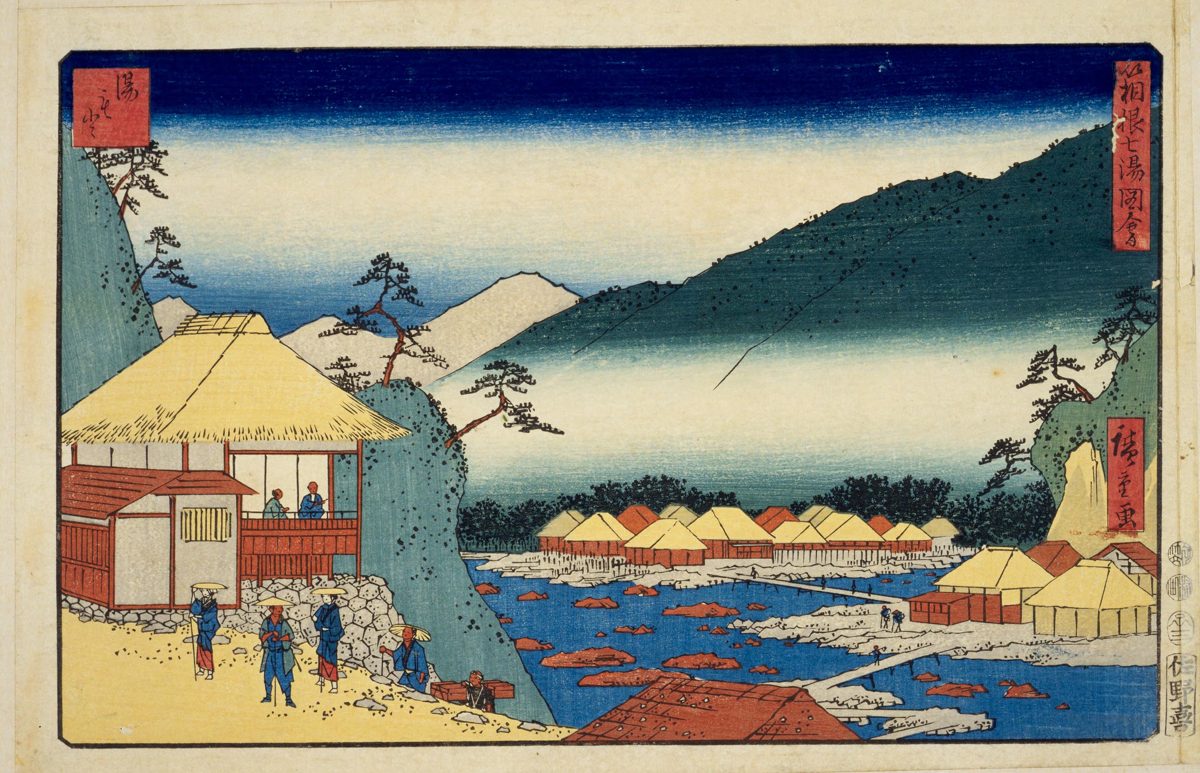
The inn manages its own self-flowing spring, “Yumoto No. 3,” dug as a horizontal tunnel in the Meiji era. The baths page says it gives more than 100 liters a minute even at its lowest, and that every bath is free-flowing (kakenagashi). The water is an alkaline simple spring.
Which baths are there, and when are they open?
There are two large baths. Ichien-no-yu, named after the teachings of Ninomiya Sontoku, has an indoor bath and a rock outdoor bath; Ogi-no-yu has an indoor bath and a cypress outdoor bath. Men and women swap baths in the evening and again in the morning, with a short break of about 15 minutes for the change. The exact times are on the baths page and your plan; confirm them at check-in. If you stay more than one night, the baths are closed for cleaning from 10:00 to 15:00.
Is there a private bath or a rule on tattoos?
The official pages do not mention a private family bath or tattoos. Ask the inn before booking; our tattoo and onsen guide explains what to ask. Rooms with their own cypress tub are the simplest private option: the inn says the in-room tubs are not free-flowing, but hot spring water comes from the tap.
Meals at Bansuiro Fukuzumi
Where and when are dinner and breakfast?
The dish page describes seasonal Japanese cuisine. Meals are in your room as a rule, but depending on the size of your group and the day, the inn may seat you in a private dining room instead; the FAQ says the inn decides and cannot always meet requests. Dinner starts at 18:00 or 19:00 and ends by 21:00; breakfast starts at 8:00, 8:30 or 9:00. You choose with the staff after you arrive.
Extra dishes such as abalone, turban shell, spiny lobster and simmered golden-eye snapper can be ordered ahead. In the lobby, paid coffee or tea is served from 8:30 to 11:00 and from 15:00 to 18:00.
Can the inn handle allergies or a special diet?
The booking page asks you to report allergies at least 3 days before your stay, and says some requests may be declined. The official pages do not mention vegetarian or halal meals, so ask first.
Getting to Bansuiro Fukuzumi in Hakone Yumoto
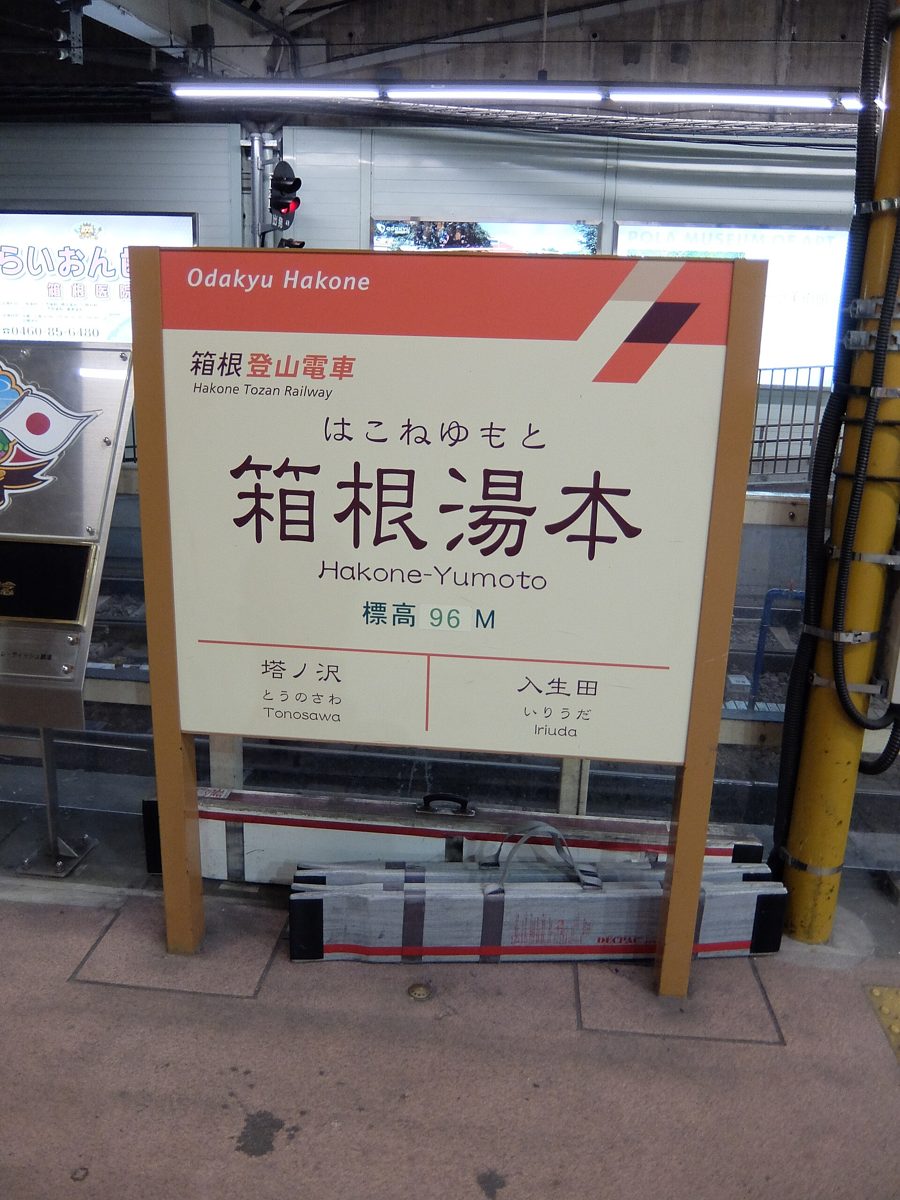
The booking page says the inn is an 8-minute walk from Hakone-Yumoto Station. The access page shows the route only as images, so a map app helps. Drivers can search the phone number 0460-85-5531 on a car navigation system, as the inn suggests; the official pages do not mention parking. For the rest of the area, see our things to do in Hakone guide.
Prices, children and cancellation at Bansuiro Fukuzumi
How much does a stay cost?
The booking page shows two plans, a half-board plan with dinner and breakfast and a room-only plan. Prices appear only after you enter your dates and number of guests, so we do not list them. On top, a bathing tax of 150 yen per adult is charged; see our onsen bathing tax guide. Hakone town’s site says the town aims to introduce an accommodation tax from April 2028 and is still drafting the rule.
What do children cost?
The official pages say only that children get the regular menu. Child rates and bed-sharing are not stated, so ask when you book.
What is the cancellation policy?
Both plans list free cancellation from 7 to 4 days before, and 100 percent of the room charge from 3 days before through the day of stay, and for a no-show. The booking page has its own links to change or cancel. See our hotel cancellation guide.
How do I pay?
The official pages do not list payment methods. Ask the inn whether cards are accepted.
What foreign guests should know before staying at Bansuiro Fukuzumi
- The official site and the plans are in Japanese. When we checked, the English version of the booking page showed no plans, so use the Japanese booking page; a browser translation helps.
- Arrive by 18:30 on the half-board plan; dinner starts no later than 19:00.
- Bansuiro rooms have no bath, and some historic rooms are up steep stairs.
- Rooms have amenities including a yukata, towels, a toothbrush, shampoo and conditioner, and makeup remover.
- There is no public email address; use the contact form or call 0460-85-5531 (toll-free in Japan: 0120-29-2301, 9:00–19:00).
Frequently asked questions
What time is check-in at Bansuiro Fukuzumi?
Can I use the bath at Bansuiro Fukuzumi with a tattoo?
What is the cancellation policy at Bansuiro Fukuzumi?
Do the rooms at Bansuiro Fukuzumi have a private bath?
How do I get to Bansuiro Fukuzumi?
Bottom line (2026): Bansuiro Fukuzumi lets you sleep in late-1870s wooden buildings in Hakone Yumoto, 8 minutes on foot from the station, with two large baths fed by its own spring. Pick a room with its own tub if you want privacy, check the stairs, and book on the Japanese booking page.
Sources
Every fact on this page is from Bansuiro Fukuzumi’s official pages: home (Japanese), history, rooms, baths, meals, facilities and FAQ, the official booking page, and Hakone town’s accommodation tax page. All were read on October 20, 2026. Prices and rules change; check the official site before you book.
Tokyo to Osaka, Tokyo to Kyushu, Tokyo to Hokkaido — day by day — plus seven places most visitors never reach.
- 12 pages, 80 photographs, every stop linked to its guide
- Every price and opening hour read from the official page
- Re-issued monthly, so it does not go stale in your inbox
Free. One email a month, plus the rare change that matters. Unsubscribe with one click in any email. By subscribing you agree to our privacy policy.