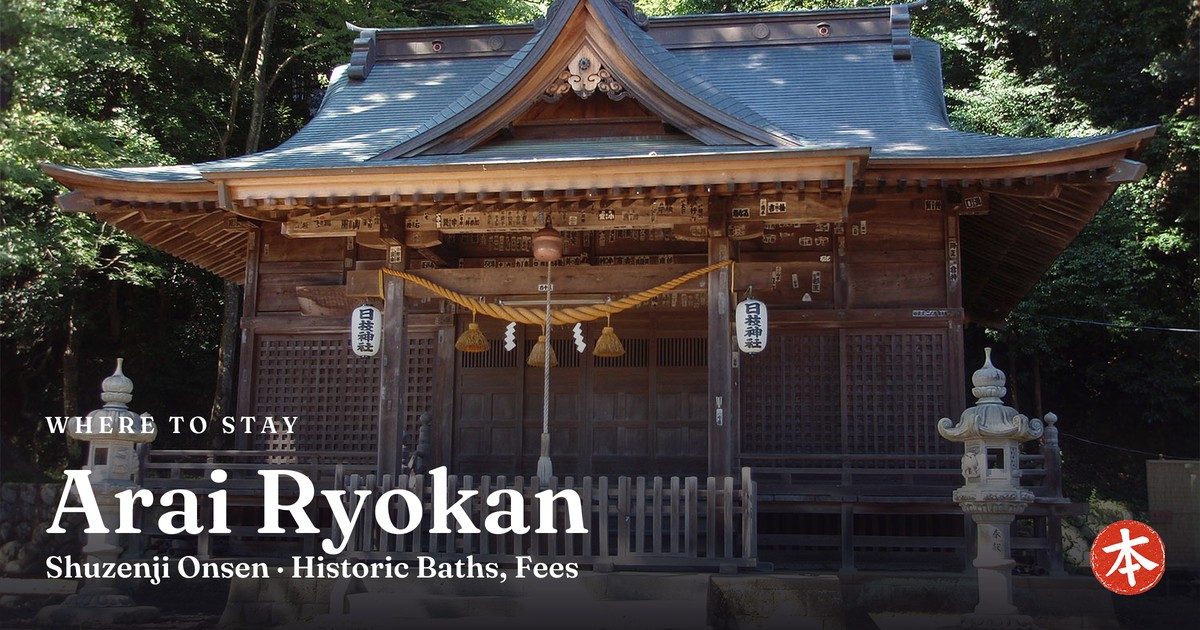
Arai Ryokan in Shuzenji Onsen, on the Izu Peninsula in Shizuoka, opened in 1872 as Yokikan Arai. In 1998, 15 of its buildings were registered as national tangible cultural properties, and writers such as Okamoto Kido and Akutagawa Ryunosuke stayed here. Before you book, three things matter: the large baths are closed to guests with tattoos; the inn declines guests who understand neither Japanese nor basic English; and there is no shuttle from the station.
Arai Ryokan at a glance
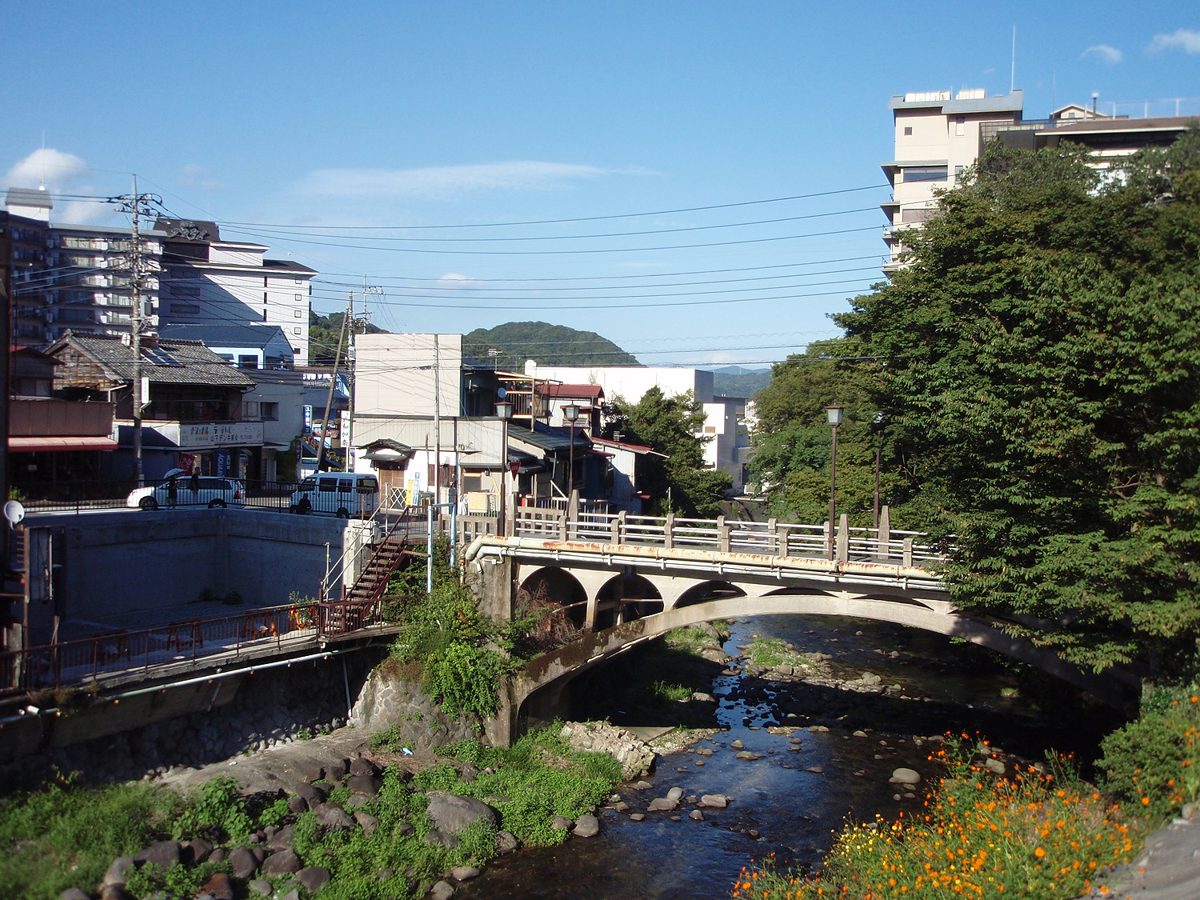
| Item | Official information |
|---|---|
| Address | 970 Shuzenji, Izu, Shizuoka |
| Opened | 1872; 15 buildings are registered cultural properties |
| Rooms | 31 rooms, per the English page |
| Check-in / out | 15:00 / 11:00 |
| Baths | All free-flowing natural hot spring, no recirculated water |
| Prices | From 22,275 yen per person (breakfast plan, 6 guests, tax included) |
| Extra charge | Bathing tax 150 yen per adult |
| Parking | 20 cars, free, 80 m from the entrance |
| Smoking | Non-smoking throughout; Wi-Fi in all rooms |
From the official pages and booking pages, read October 14, 2026.
Rooms in the historic buildings at Arai Ryokan
Rooms are spread over named buildings built between 1899 and 1964. The table lists the ones the Japanese booking page describes in detail. The whole inn is non-smoking.
| Building or room | Built | What the booking page says |
|---|---|---|
| Yoshino (special room) | 1935 | 147.5 m², terrace with hot-spring bath, three toilets; no children of elementary age or younger |
| Yamabuki | — | 57.1 m² with an indoor hot-spring bath |
| Hana building | 1934, renovated 2023 | 46–55.1 m² with a hot-spring bath and bidet toilet |
| Kiri building | 1916 | 66.3 or 85.4 m² |
| Katsura building | 1964, renovated 2018 | The rooms with twin beds and a shower booth |
Which rooms have beds?
Only the Katsura building, according to the Japanese FAQ. Other rooms are tatami rooms. If you need a chair at meals, the inn has low tatami chairs and tables; request them when you book.
Can I tour the cultural property?
Yes, if you stay. A free 15 to 20 minute guided tour starts at 10:00 and 16:00, but it is held in Japanese only.
The baths at Arai Ryokan
The inn says every bath is free-flowing natural hot spring, with no recirculated water; water is added at times depending on the season. The spring is alkaline simple, pH 8.5, at 61.2°C. The Tenpyo Daiyokudo, an all-cypress bath from 1934 designed under painter Yasuda Yukihiko, is itself a registered cultural property, and the booking page notes it has no showers or faucets. There is also an outdoor bath, Orifushi no Yu Sekka, opened in April 2023.
When are the baths open?
The Japanese FAQ says the large baths are open from 15:00 to 9:00 the next morning, but the outdoor bath closes from midnight to 7:00 for safety. All baths switch between men and women at set times, so check the times posted at the inn.
Are there private baths?
Two. Suiren is 1,100 yen for 45 minutes and must be booked at the front desk on the day of your stay. Hisui is free with no booking; lock the door from inside. See our private bath fees guide for how these compare.
Can I bathe with a tattoo?
Not in the large baths. The Japanese FAQ says guests with tattoos are asked not to use them, and that tattoo cover stickers are sold in the shop. The English page does not mention tattoos, and the pages do not say how the private baths are handled, so ask before you book. Our tattoo and onsen guide covers what to ask.
Meals at Arai Ryokan
What are dinner and breakfast like?
Dinner is a Kyoto-style kaiseki menu that changes monthly, served in your room or in the Seikei dining room depending on the plan. It starts at 18:00 or 18:30, chosen first come, first served at check-in, and ends by 21:00. Fresh wasabi is grated in your room, and the rice is organic Koshihikari grown in Shuzenji. Breakfast is a three-tier box set at 8:00 or 8:30.
Can the inn handle allergies or a special diet?
The inn handles allergies as far as it can if you tell it in advance; without notice, dishes cannot be changed. It does not use separate cooking utensils, and it may not be able to serve guests with severe allergies. It can swap one or two disliked ingredients per person, but the menu is mainly seafood, so it cannot serve guests who eat no seafood at all. Outside food and drink are not allowed.
Getting to Arai Ryokan in Shuzenji Onsen
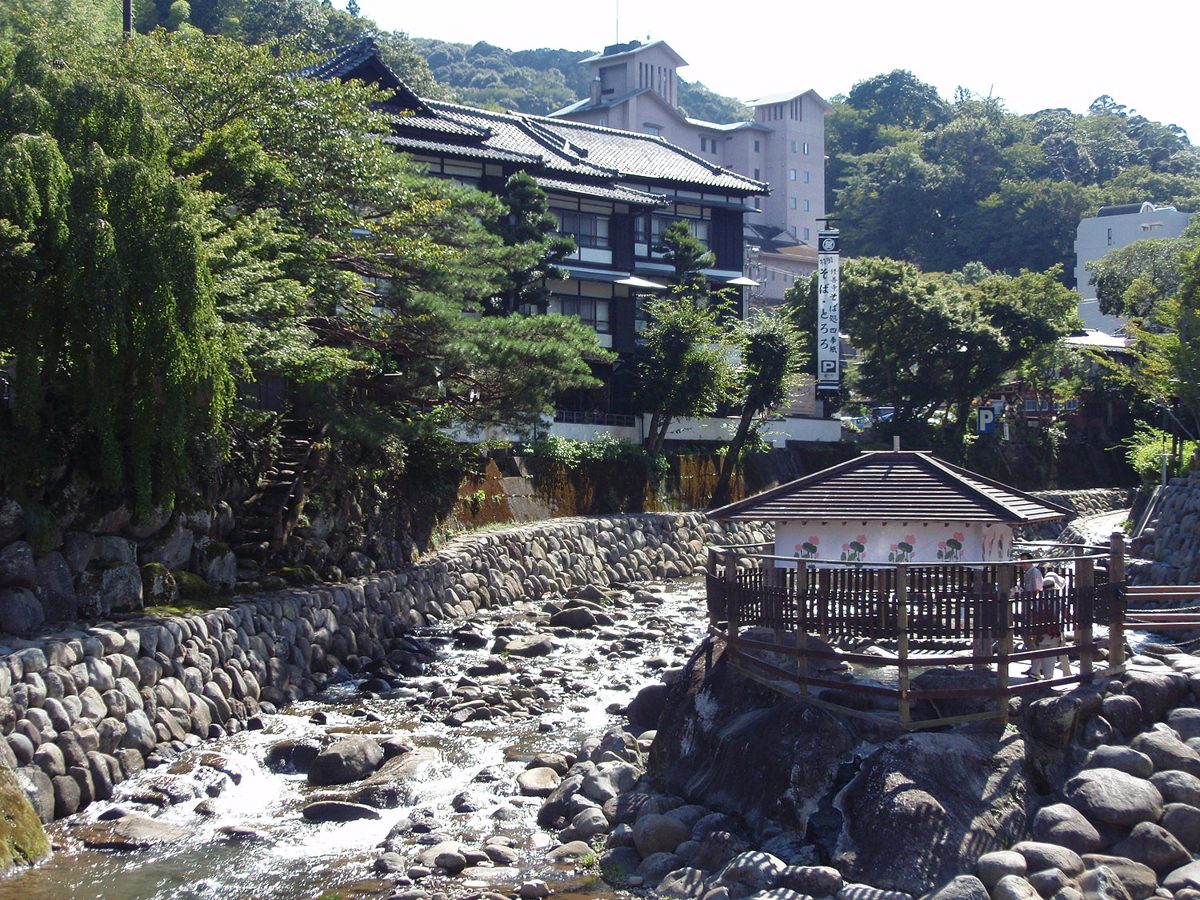
From Tokyo, the inn lists about 1 hour on the Kodama shinkansen to Mishima, then 30 minutes on the Izu-Hakone Railway to Shuzenji Station. The Odoriko limited express runs from Tokyo to Shuzenji in about 2 hours. From the station, take a short bus ride to the Shuzenji Onsen stop, then walk 3 minutes; the inn is in the center of town, near Shuzenji temple and Tokko no Yu.
Is there a shuttle?
No. The Japanese FAQ says Shuzenji Onsen inns do not run shuttles under the local association’s rule. The bus is 300 yen one way and a taxi a little under 2,000 yen. A pre-booked taxi from Mishima Station is 7,600 yen one way plus 400 yen in tolls, for up to five adults.
Prices, children, cancellation and payment at Arai Ryokan
How much does a stay cost?
Prices on the Japanese booking page are per person per night with tax included, at full room occupancy: from 22,275 yen with breakfast (6 guests), 22,330 yen room only (5 guests) and 29,700 yen with dinner. The English booking page lists only two plans: a traditional room with kaiseki in the dining room from 31,900 yen (3 guests), and the special room Tatsuta with in-room kaiseki from 55,000 yen (6 guests). On top, Izu City charges a bathing tax of 150 yen per adult; see our onsen bathing tax guide. The official pages describe Tatsuta differently, so confirm the room details with the inn.
What do children cost?
The Yoshino special room does not take children of elementary school age or younger. For other rooms, the Japanese booking page says one adult with a child is charged as two adults. The official pages describe the children’s age bands and rates differently, so confirm with the inn when you book.
What is the cancellation policy?
The Japanese terms and booking page both charge 100 percent on the day or for a no-show and 50 percent the day before. Earlier rates differ between those pages, and the English booking page does not show a policy, so ask the inn. See our hotel cancellation guide.
How do I pay?
Both the Japanese and English pages list credit and debit cards. They differ on other methods, so confirm before you arrive.
What foreign guests should know before staying at Arai Ryokan
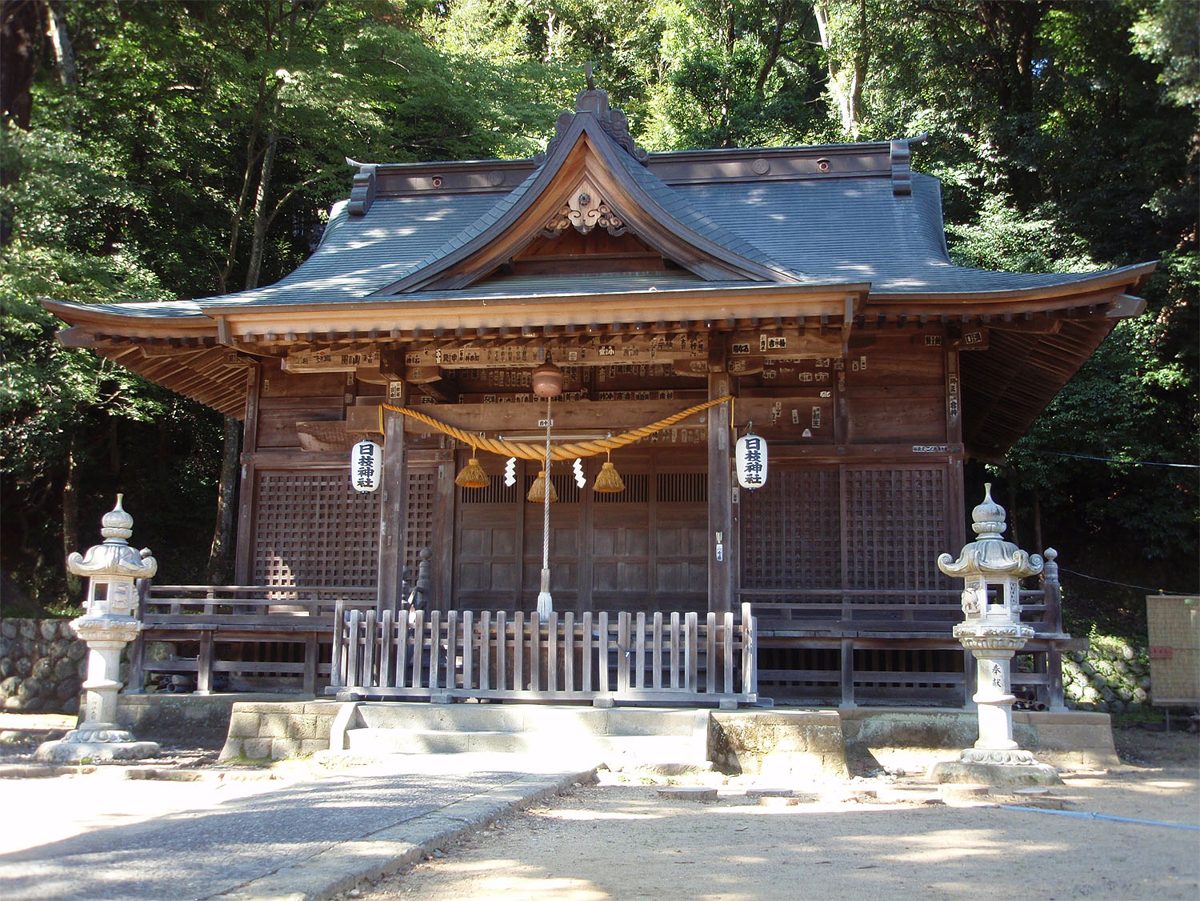
- The Japanese booking page says the inn declines guests who understand neither Japanese nor basic English.
- When booking, the inn asks you to use an email address other than Gmail or Yahoo Mail.
- The English page lists a phone line for English, Chinese, Korean and Thai (+81-92-687-5312) and the email english@arairyokan.jp.
- Entering before check-in is not allowed, but the inn will keep your luggage or car.
- Electric wheelchairs can be rented from October 1, 2026, at 500 yen per use; there are two.
Frequently asked questions
Can I use the baths at Arai Ryokan with a tattoo?
What time is check-in at Arai Ryokan?
Does Arai Ryokan have a shuttle from Shuzenji Station?
Do I need to speak Japanese to stay at Arai Ryokan?
What is the cancellation policy at Arai Ryokan?
Bottom line (2026): Arai Ryokan is a working cultural property in the center of Shuzenji Onsen, with free-flowing hot-spring baths and monthly kaiseki. Check the tattoo rule and the language condition, plan the bus from the station, and confirm cancellation and payment with the inn before you book.
Sources
Every fact on this page is from Arai Ryokan’s official pages: home (Japanese), rooms, baths, food, access, FAQ, reservations, the English page, and the Japanese and English booking pages; and from Izu City’s bathing tax page. All were read on October 14, 2026. Prices and rules change; check the official site before you book.
Tokyo to Osaka, Tokyo to Kyushu, Tokyo to Hokkaido — day by day — plus seven places most visitors never reach.
- 12 pages, 80 photographs, every stop linked to its guide
- Every price and opening hour read from the official page
- Re-issued monthly, so it does not go stale in your inbox
Free. One email a month, plus the rare change that matters. Unsubscribe with one click in any email. By subscribing you agree to our privacy policy.