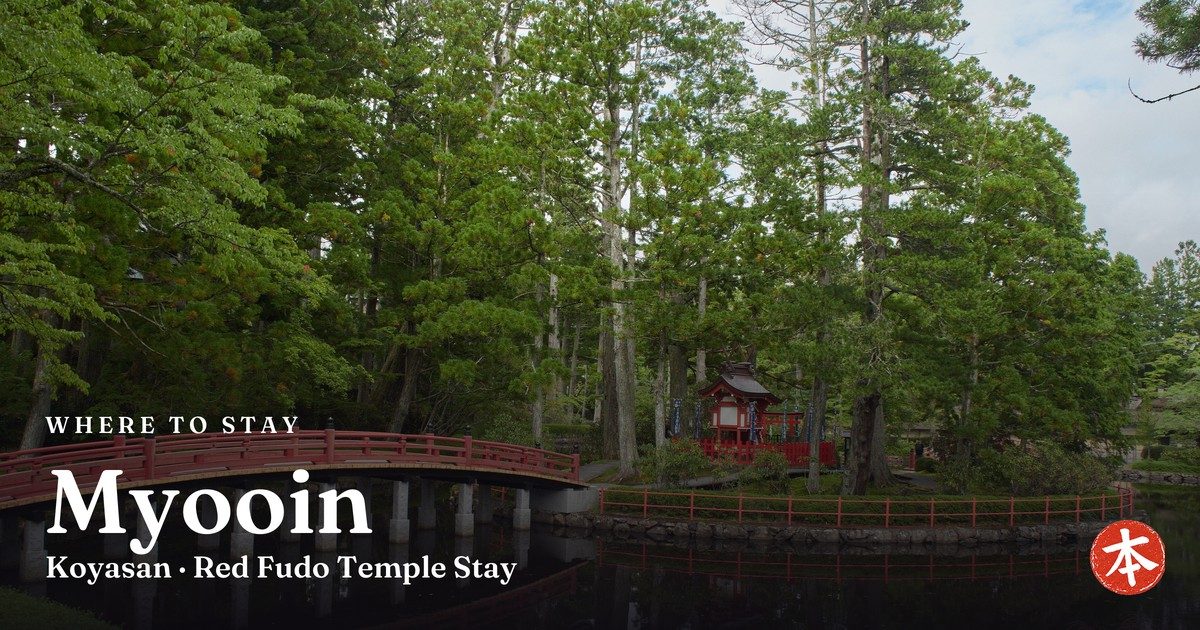
Myooin (also written Myoo-in, and called Aka Fudo, “Red Fudo”) is a Koyasan Shingon temple on Mount Koya, Wakayama, that takes overnight guests. It keeps the Red Fudo, a painting of Fudo Myoo known as one of Japan’s three famous Fudo images. Before you book, three things matter: stays are listed from 11,000 yen with two meals; meals are shojin ryori, Koyasan’s traditional vegetarian cuisine; and the official site does not state check-in, cancellation or payment rules, so ask the temple directly.
The Red Fudo and the story of Myooin
How old is the temple?
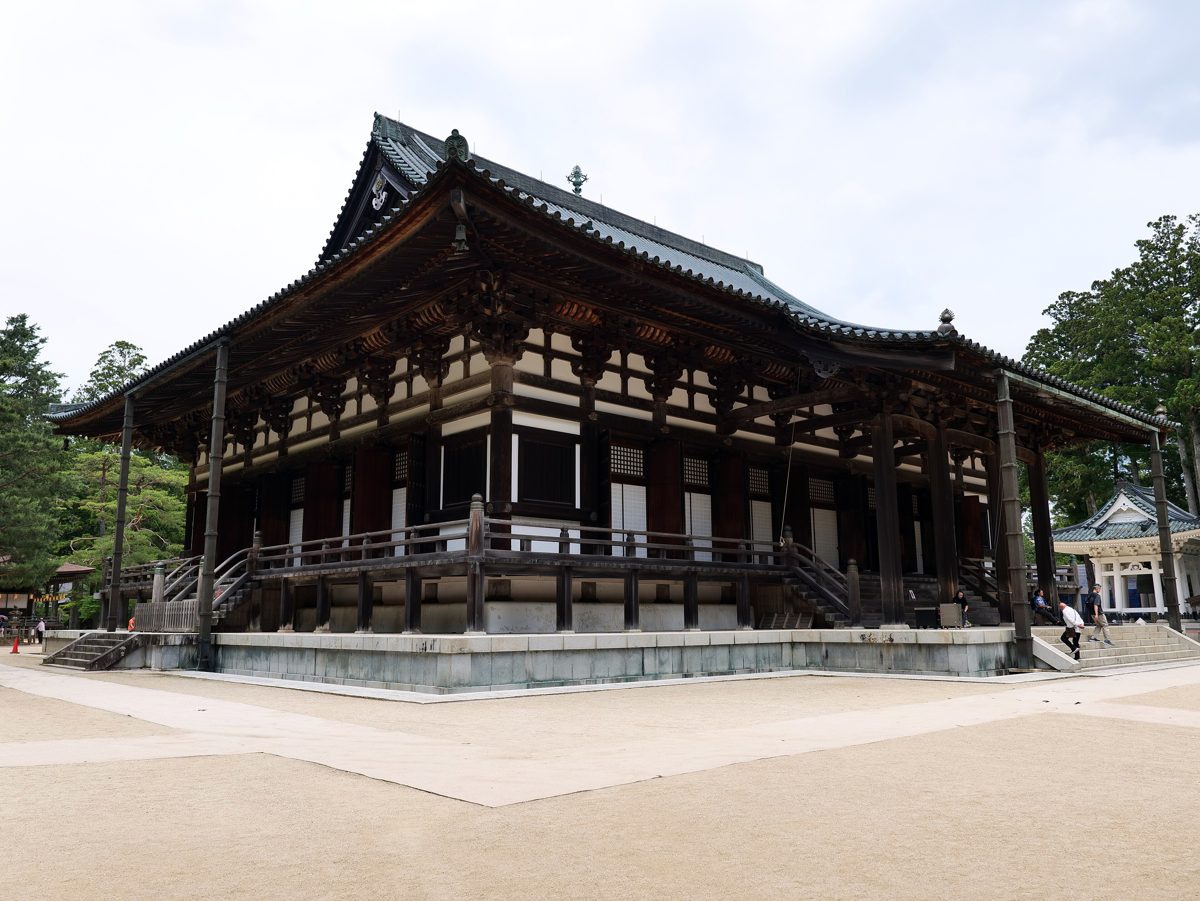
According to the temple, it was founded in 816, when Kobo Daishi (Kukai) received Mount Koya from Emperor Saga, as a Godai-do, a hall guarding the northeast of the Danjo Garan. The temple says it is held to be one of the earliest temples on Koyasan. It is a bekkaku honzan, a special-rank head temple, and stop 35 of the Kinki 36 Fudo pilgrimage.
What is the Red Fudo?
The principal image is a painting on silk of Fudo Myoo with two attendants, which the temple lists as a former national treasure and an Important Cultural Property. A legend the temple tells says the monk Enchin painted it with pigment mixed with his own blood, which gave it its red color. The temple also says Emperor Go-Daigo revered it as his guardian image and had it moved to Koyasan. It is a hidden image: the site lists April 28 (weather permitting) as the day it is shown, with a festival service from 13:00. A goma fire ritual is held on the 28th of every month.
What is special about the buildings?
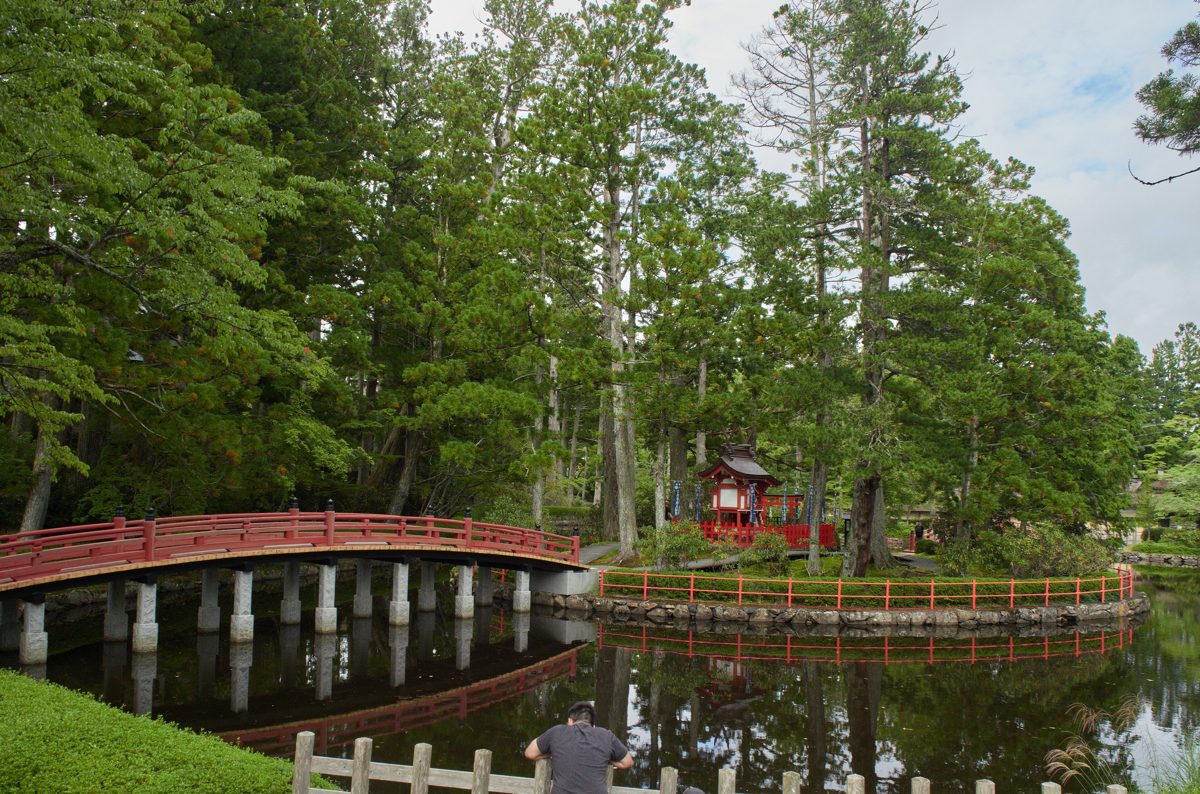
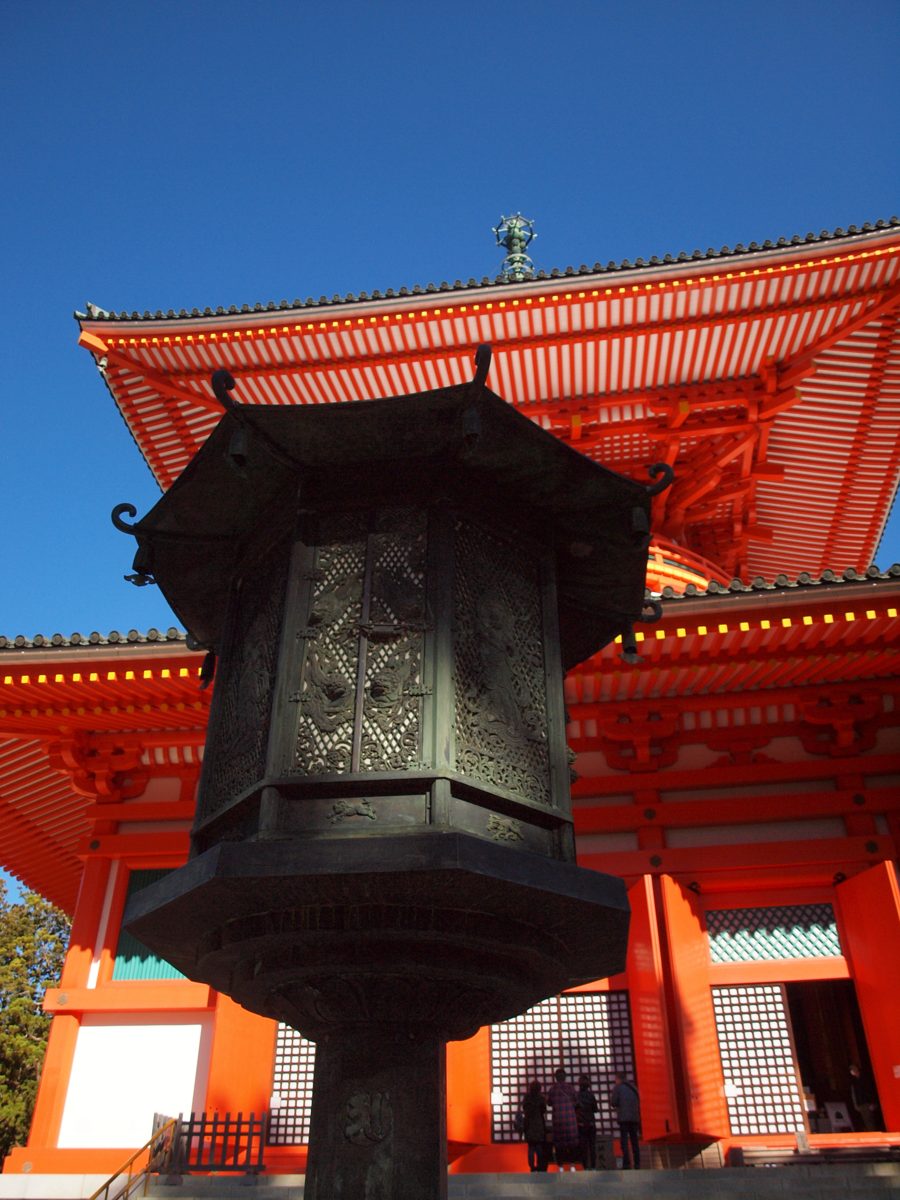
After a fire in 1952, architect Matsubara Kazuo rebuilt the tea room and shoin (study hall) and designed much of the guest hall and approach. One training hall by the gate survived the fire and keeps the look of an Edo-period temple building. The garden has more than 200 kinds of tea-ceremony flowers and wild plants, some growing naturally.
Myooin at a glance
| Item | Official information |
|---|---|
| Address | 146 Koyasan, Koya-cho, Ito-gun, Wakayama 648-0211 |
| Phone | 0736-56-2106 (from abroad +81-736-56-2106) |
| Sect | Koyasan Shingon |
| Rooms | 18 private rooms, 2 special rooms, 1 large and 2 medium halls |
| Price | Two meals, from 11,000 yen (individual) or 8,500 yen (group) |
| Baths | Granite large bath and koyamaki-wood small bath |
| Meals | Shojin ryori (vegetarian temple cuisine) |
| Experiences | Sutra copying and ajikan meditation, by reservation |
| Parking | 2 buses, 8 cars |
From the official site, read October 16, 2026.
What are the rooms like?
The temple lists 18 private rooms, 2 special rooms and three halls. The guest hall was rebuilt by 2003; the site says it is barrier-free and that toilets have washlets, with Western-style toilets. Guests who ask can also stay in the tea room or shoin designed by Matsubara Kazuo. Room sizes and whether a room has its own toilet or bath are not stated.
Shojin ryori meals at Myooin
What is served?
Meals are shojin ryori, the traditional vegetarian cuisine of Koyasan. The temple says it cooks with local natural ingredients and mountain vegetables, and that taking time and care is what makes the meal a feast. The site names Koya-dofu, goma-dofu and koyamaki as local specialties.
Can the temple handle allergies or a special diet?
The official pages do not mention allergies or dietary requests, or where meals are served. If you have an allergy, tell the temple when you book.
The baths at Myooin
What are the baths like?
The temple has a large bath of granite and a small bath of koyamaki, the Japanese umbrella pine. The site does not describe them as hot-spring baths, and it does not give bath hours or say whether a bath can be used privately.
Can I bathe with a tattoo?
The official pages do not mention tattoos. Ask the temple before you book; our tattoo and onsen guide explains what to ask.
Prices, children, cancellation and payment at Myooin
How much does a stay cost?
The official site lists stays with two meals from 11,000 yen for individual guests and from 8,500 yen per person for groups. It does not say when these prices were set or what exactly is included, such as tax, so confirm the price when you book. As of October 16, 2026, Koya town’s tax page lists no accommodation or bathing tax; see our onsen bathing tax guide for how these work elsewhere. A daytime rest, including use of the tea room, is offered for a donation, by reservation.
What do children cost, and what is the cancellation policy?
The official pages state neither children’s rates nor a cancellation policy. Ask the temple when you book, and keep the answer in writing. Our hotel cancellation guide lists the questions to ask.
How do I pay?
Payment methods are not stated. Ask whether cards are accepted, and bring cash in case they are not.
Getting to Myooin on Koyasan
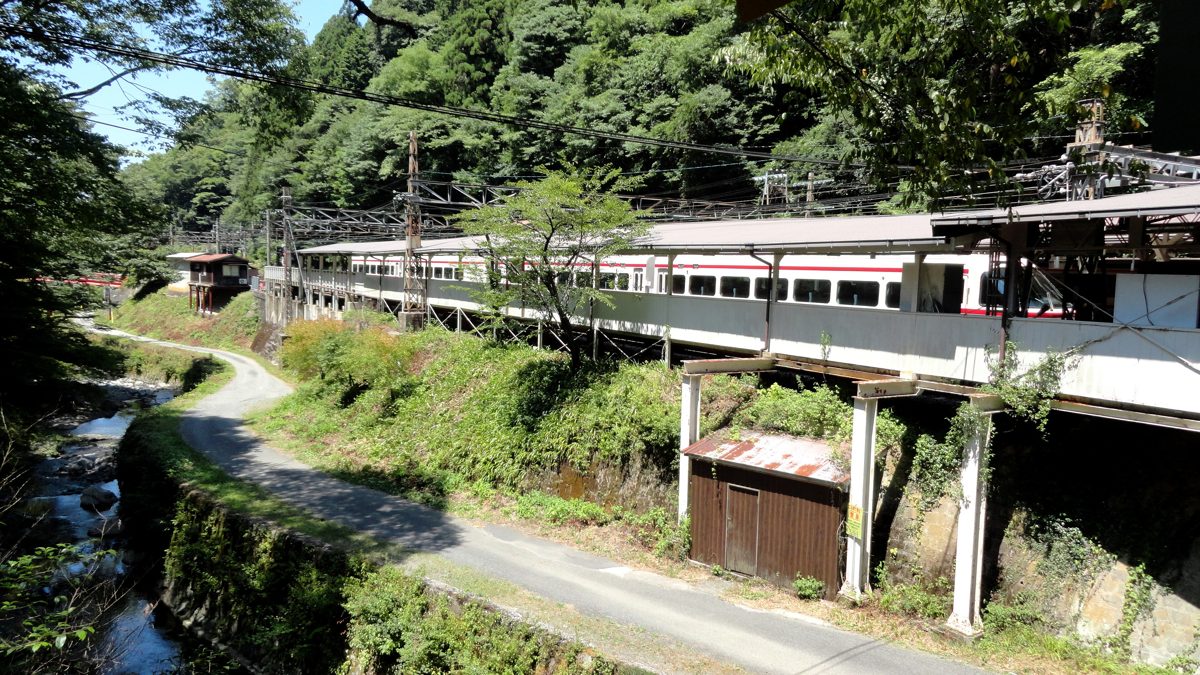
From Osaka Namba, take the Nankai Koya line to Gokurakubashi, then the cable car to Koyasan Station. Take a bus bound for Daimon and get off at Kongobuji-mae or Daito-guchi; the temple is a 3 to 7 minute walk. On other buses, get off at Senjuin-bashi and walk about 10 minutes. Check train times on the Nankai website, not on old timetables. By car, pass the Daimon gate at the end of the Koya road, turn left at the first light and drive about 2 minutes; tire chains are needed in snow. A pickup service is not mentioned. For the bus ticket and the rest of the mountain, see our Koyasan guide.
What foreign guests should know before staying at Myooin
- The website is in Japanese only; phone 0736-56-2106 or email the address on the official site to book or ask questions.
- Ask about check-in time and curfew before you travel, since the site does not give them.
- Reserve sutra copying or ajikan meditation in advance if you want them.
- If you visit on April 28, the Red Fudo festival is held from 13:00.
- Koyasan is in the mountains; drivers need chains when it snows.
| Not on the official site | What to ask the temple |
|---|---|
| Check-in, checkout, curfew | Latest arrival time and when the gate closes |
| Cancellation | Fees and from how many days before |
| Payment | Cards or cash only |
| Morning service | Whether guests can join and at what time |
| Bath hours | When the baths open and close |
Frequently asked questions
What is the Red Fudo at Myooin?
How much does a night at Myooin cost?
What time is check-in at Myooin?
Can I take part in sutra copying or meditation at Myooin?
How do I get to Myooin?
Bottom line (2026): Myooin is a Koyasan temple founded in 816 that keeps the Red Fudo and serves shojin ryori, with stays listed from 11,000 yen including two meals. The site is in Japanese and leaves out check-in, cancellation and payment, so phone or email the temple before you book.
Sources
Every fact on this page is from Myooin’s official pages: home (Japanese), history, staying at the temple and access. All were read on October 16, 2026. Prices and rules change; check with the temple before you book.
Tokyo to Osaka, Tokyo to Kyushu, Tokyo to Hokkaido — day by day — plus seven places most visitors never reach.
- 12 pages, 80 photographs, every stop linked to its guide
- Every price and opening hour read from the official page
- Re-issued monthly, so it does not go stale in your inbox
Free. One email a month, plus the rare change that matters. Unsubscribe with one click in any email. By subscribing you agree to our privacy policy.