Kouunkan is a small inn of ten rooms in Ikaho Onsen, Gunma, and the annex of Tsukagoshiya Shichibei, an inn founded in the Bunkyu era of the late Edo period. Every room has its own open-air bath. Before you book, three things matter: the in-room baths are not hot-spring water, and the hot spring is in the large bath; guests with children must book the family plan; and allergy requests must be made when you book.
Kouunkan at a glance
| Item | Official information |
|---|---|
| Address | 175-1 Ikaho, Ikaho-machi, Shibukawa, Gunma |
| Rooms | 10, all Japanese-style, all with an open-air bath |
| Check-in / out | 14:00–19:00 / 11:00 (regular dinner plans) |
| Hot spring | Large bath Owl no Yu, men’s and women’s, open overnight |
| In-room baths | Open-air bath and hinoki tub, not hot-spring water |
| Prices | From 24,750 yen per person with dinner and breakfast |
| Extra at the inn | Bathing tax 150 yen + Kogane no Yu fund 50 yen per adult |
| Smoking | Heated tobacco only in rooms; public areas non-smoking |
From the official site and Japanese booking page, read October 20, 2026.
You enter through a gate set in a wall about eight meters tall. The inn says it set aside the usual ryokan formula for its own style of hospitality, and asks guests to tell the staff their wishes. Owls are the house’s guardians, and you will see them around the building.
The baths at Kouunkan: hot spring vs. in-room
Are the in-room baths hot-spring water?
No, and this is worth knowing before you choose. The Japanese pages state that the in-room open-air bath and the hinoki (cypress) tub are not hot-spring water. The open-air bath uses heated water passed through bakuhanseki, a mineral stone, and water flows into it 24 hours a day; the indoor tub is plain heated water. They are a private place to soak whenever you like. For Ikaho’s hot spring itself, go to the large bath.
When is the large hot-spring bath open?
The large bath, Owl no Yu, has separate men’s and women’s sides and free-flowing natural hot spring. It is open from 14:00 to 11:00 the next morning, through the night, and closed 11:00 to 14:00 for cleaning. Seen from above, the two sides form an owl’s face. The inn says it is one of only eight in Ikaho with the rare Kogane no Yu, or “golden spring.” Towels are provided.
Is there a private bath to book?
The official pages do not list a bookable private bath. Every room already has its own open-air bath, so a private soak comes with the room.
Can I bathe with a tattoo?
The official pages do not mention tattoos. Ask the inn before you book if you plan to use the large bath. Our tattoo and onsen guide explains what to ask.
Rooms at Kouunkan
| Room | Size | Guests |
|---|---|---|
| Hana, Tori, Kaze, Tsuki | 50–55 m² | 1–3 |
| Ougi, Urushi (with an irori hearth room) | 60–65 m² | 1–4 |
| Shochikubai, Misu | 75–80 m² | 1–6 |
| Ginkaku, Kinkaku (dining room + twin bedroom) | 110–115 m² | 1–6 |
From the official room pages, read October 20, 2026.
All rooms are Japanese-style with a shoin writing alcove and a Western-style toilet with a bidet seat, and they were made with craftspeople from around Japan. You book a room grade, not a named room: within a grade, the inn cannot take requests for a specific room. In Ougi, the booking page mentions a roomy shower booth next to the open-air bath.
Prices, children and rules at Kouunkan
How much does a stay cost?
Per person with dinner and breakfast, including service charge and consumption tax, the booking page starts at 24,750 yen for Hana, Tori, Kaze and Tsuki, 25,850 yen for Shochikubai and Misu, 28,050 yen for Urushi and 32,450 yen for Kinkaku and Ginkaku. For two sharing Hana, Tori, Kaze or Tsuki in October 2026, the calendar showed 30,800 yen per adult on a weekday and 35,200 yen on a Saturday. A breakfast-only plan starts at 21,120 yen. Regular plans include konnyaku daifuku sweets, a yukata and samue to wear, and free coffee, tea and chamomile tea.
What else do I pay at the inn?
The inn lists a 150 yen bathing tax for adults, paid at the inn, plus 50 yen per adult for the Kogane no Yu protection fund. See our onsen bathing tax guide. In-room Japanese massage is extra: 4,400 yen for 40 minutes or 6,600 yen for 60, booked ahead.
Can I bring children?
Yes, through the family plan only: the booking page says guests with children can book only that plan. It starts at 27,500 yen per adult. Elementary school children are 19,800 yen and younger children with meals 14,300 yen, whatever the room. Children get either a meal based on the adult menu or a kids’ plate, depending on age.
What is the cancellation policy?
The Japanese booking page lists 20 percent from 7 days before, 30 percent from 3 days before, 50 percent the day before, and 100 percent on the day or for a no-show. See our hotel cancellation guide.
How do I pay?
The plan pages list PayPay, online card payment, PayPal, payment at the inn, and Paidy pay-later. Which cards the front desk takes is not stated, so ask if you plan to pay on arrival.
Meals at Kouunkan
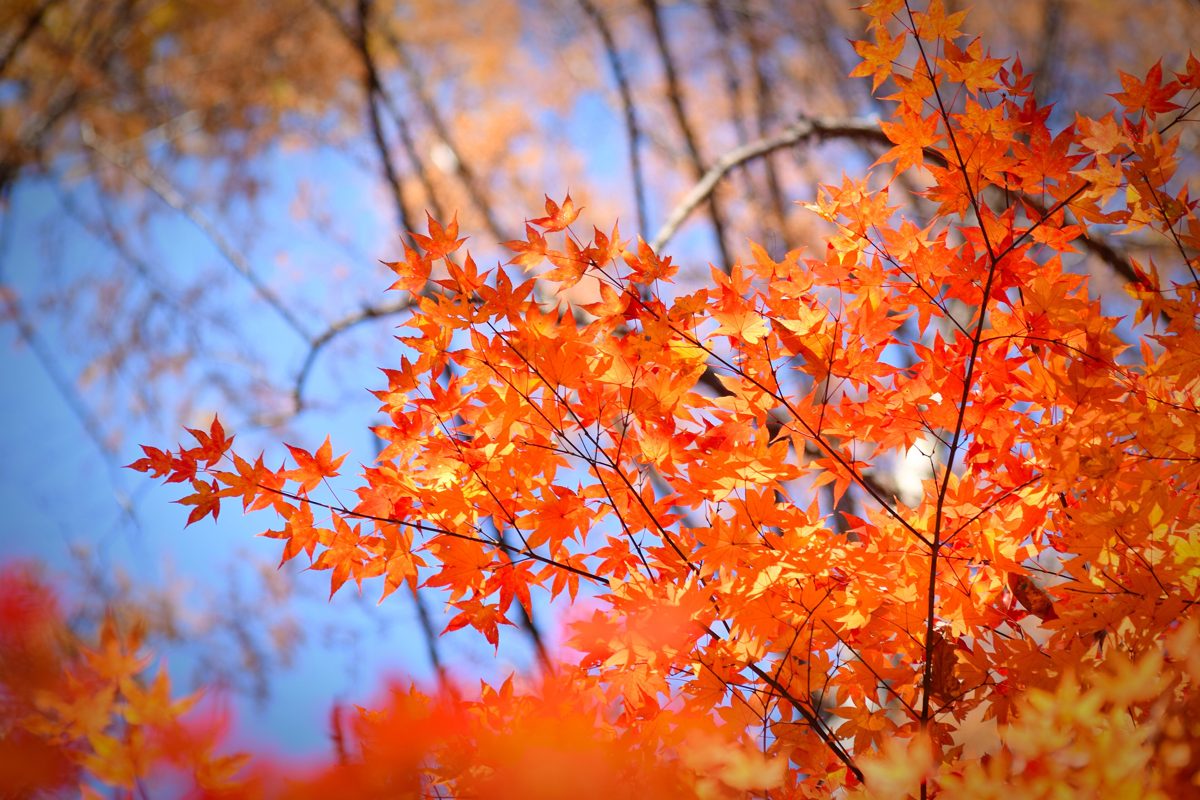
What is dinner like, and where is it served?
The inn describes its food as Japanese cuisine built on season, flavor and tableware. The August 2026 menu it posted included a roast beef of Akagi beef and Gunma-grown white rice; dishes change with what comes in. Where you eat depends on the room. Hana, Tori, Kaze and Tsuki dine in the restaurant. In Ougi, parties of two eat in the room; in Shochikubai and Misu, dinner is in the room for up to four. Kinkaku and Ginkaku use their own dining room for up to four. Breakfast is offered between 7:30 and 9:00 on the breakfast-only plan.
Can the inn handle allergies or a special diet?
Only with notice, and within limits. Tell the inn about allergies when you book; requests from 3 days before arrival, or on the day, may not be possible. The kitchen is shared, so allergens cannot be removed 100 percent, and the bonito and kelp stocks cannot be changed or left out. Guests with severe allergies may be declined. One or two dislikes per person can often be handled, but “no fish at all” or “no meat at all” cannot. Vegetarian and halal meals are not mentioned. Baby food for about 6 months to 2 years is 2,200 yen for dinner and breakfast. Outside food and drink are not allowed.
Getting to Kouunkan in Ikaho Onsen
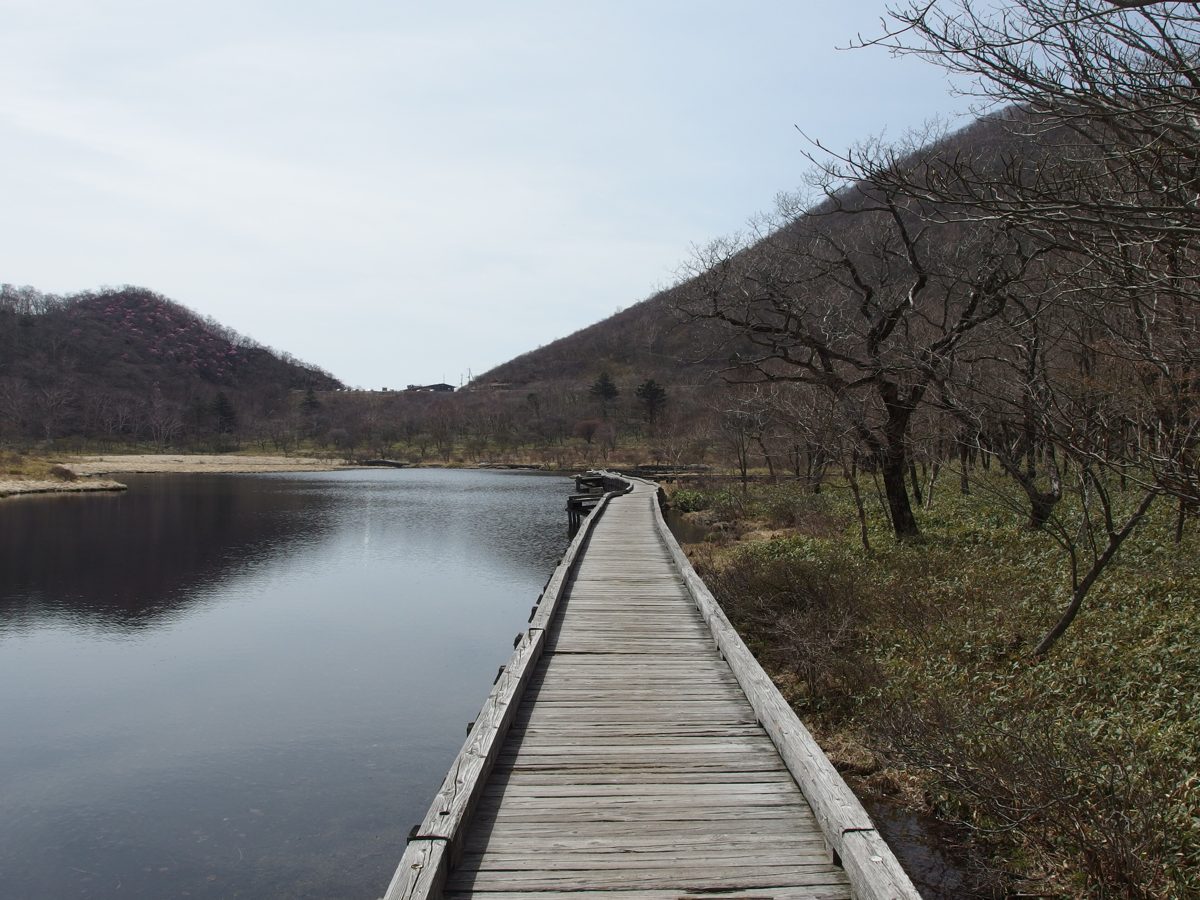
By train from Tokyo, take the Joetsu Shinkansen to Takasaki (about 50 minutes), the JR Joetsu Line to Shibukawa (about 25 minutes), then the local bus to the inn. Highway buses also run from Shinjuku and Tokyo stations to Ikaho Onsen. The inn is a little away from the main Stone Steps, and it picks guests up from the Ikaho Onsen bus stop: call 0279-72-5501 when you arrive. By car, take the Kan-Etsu Expressway to Shibukawa-Ikaho IC, then drive about 20 minutes. The parking guide is an image only, so ask the inn about spaces.
What foreign guests should know before staying at Kouunkan
- The check-in times, fees, cancellation rules and children’s prices are on the inn’s Japanese booking page; the buttons on this page go there.
- For questions in English, the English site lists the email info@kouunkan.jp.
- Your room’s baths are private but not hot-spring water; use Owl no Yu for the spring.
- Send any allergy details at booking, not on arrival.
- The inn says booking on its official site gets the lowest price.
Frequently asked questions
Are the private open-air baths at Kouunkan hot-spring water?
What time is check-in at Kouunkan?
Can I stay at Kouunkan with children?
What is the cancellation policy at Kouunkan?
Can I bathe at Kouunkan with a tattoo?
Bottom line (2026): Kouunkan is a ten-room inn in Ikaho Onsen where every room has its own open-air bath and the golden hot spring is in the large bath, open through the night. Book families on the family plan, send allergy details at booking, and check dates on the official Japanese booking page.
Sources
Every fact on this page is from Kouunkan’s official pages: home (Japanese), rooms, hot spring, cuisine, spa, access, English site, the official booking page (Japanese) and its cancellation fees. All were read on October 20, 2026. Prices and rules change; check the official site before you book.
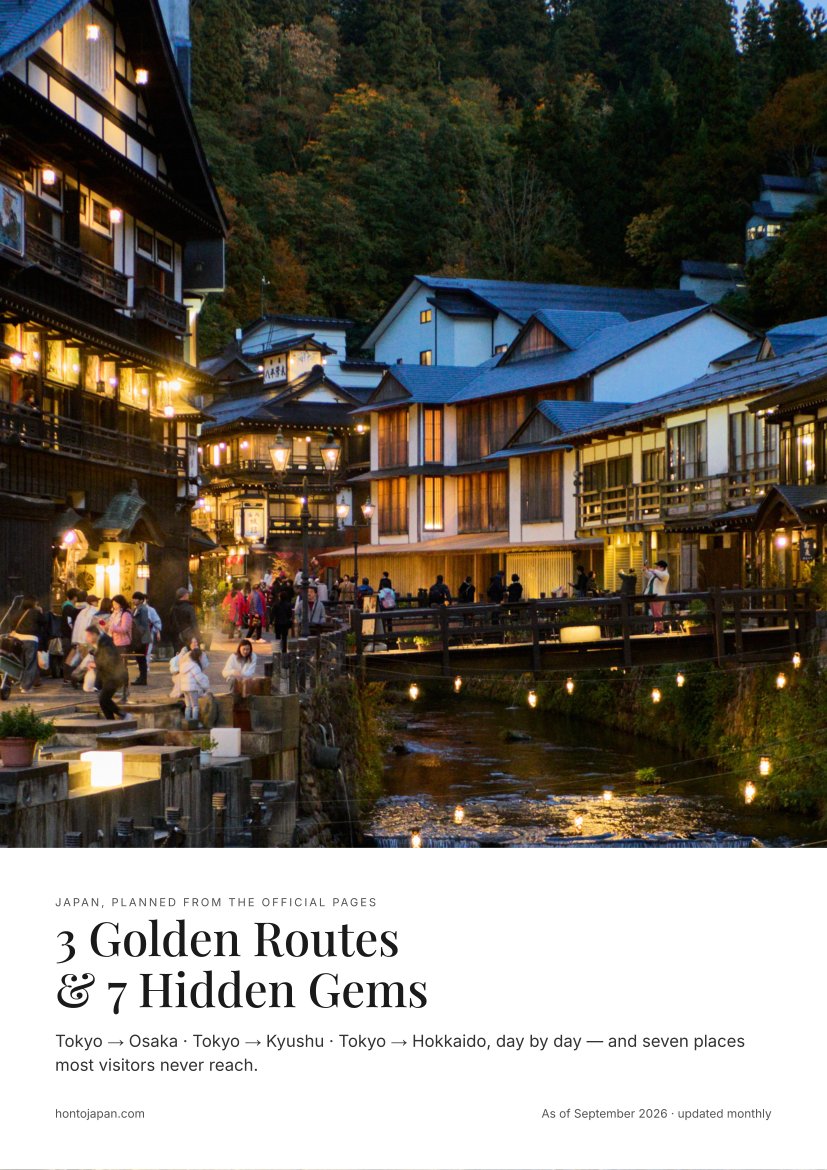
Tokyo to Osaka, Tokyo to Kyushu, Tokyo to Hokkaido — day by day — plus seven places most visitors never reach.
- 12 pages, 80 photographs, every stop linked to its guide
- Every price and opening hour read from the official page
- Re-issued monthly, so it does not go stale in your inbox
Free. One email a month, plus the rare change that matters. Unsubscribe with one click in any email. By subscribing you agree to our privacy policy.